Kalanchoe keeps dropping its buds? An old flower farmer teaches you one trick to make it bloom all over the branches
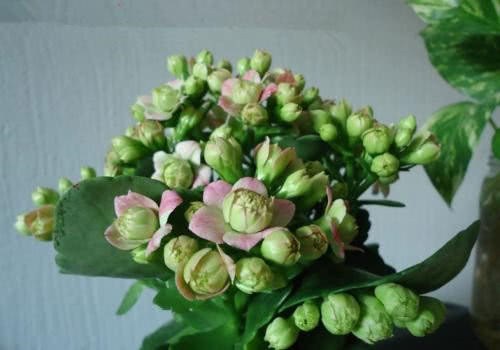
When kalanchoe is in its flowering season, many flower lovers are happy at first and then troubled. At the beginning, it grows many buds, and they think it will bloom all over the branches and fill the whole pot, but unexpectedly, before it even blooms, the buds have almost all dropped, and they do not know what to do?
There are many reasons for constantly dropping buds. Generally speaking, when kalanchoe enters its flowering season, you need to learn this one trick.
1. Remove buds
When kalanchoe enters its flowering season and begins to form buds, the first 2-3 buds or so that form should be removed first. This helps it form more buds afterward, encourages it to bloom in clusters, and the sizes will all be about the same.
During the bud-forming process, also pay attention to observation. If multiple buds grow in the same place, make an appropriate selection and keep just one bud. This way, there will not be a situation where nutrients are insufficient and it cannot bloom, or cannot bloom fully.
2. Light amount
Kalanchoe is a short-day plant. It cannot lack light, but it does not need too much either. Insufficient light will cause bud drop, while too much will inhibit flowering. About 8-9 hours of light per day is enough.
3. Temperature control
Kalanchoe is relatively sensitive to temperature. If it is below 5°C, the leaves will turn red, flowering will be delayed, and the buds will all drop. If it is above 24°C, flowering will be inhibited. It is best to control it at around 15°C, so that it can keep blooming continuously.
4. Fertilizer amount
Kalanchoe's flowering season is somewhat long, and the nutrients consumed during the process are also relatively high, but you must not fertilize excessively, otherwise it will cause root burn and make the buds fall off. Apply a thin phosphorus-potassium fertilizer about twice a month, and about every ten days you can spray some diluted phosphorus-potassium liquid fertilizer on the leaves, which helps flowering and prolongs the flowering season.
That is all for the introduction to kalanchoe. If flower lovers have other additions, you can share them with everyone in the comment section below. If you want to learn more about flower care, you can follow Huajianke!