Analysis of the reasons why pothos leaves turn yellow and fail to grow vines
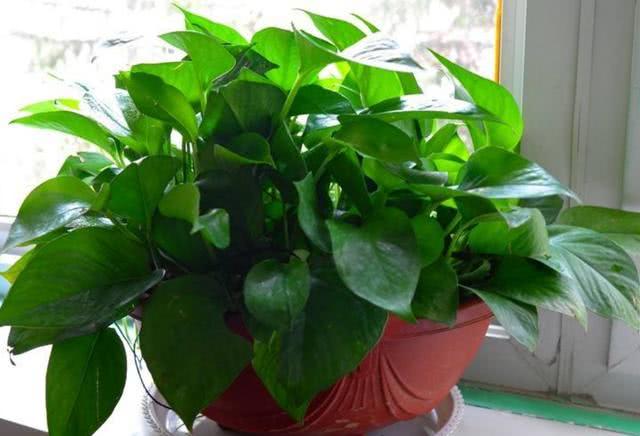
Pothos, a popular green plant. Its easy-care habits are well known to the gardening public, and many flower lovers keep one or several pots at home. But not everyone manages to grow pothos lush and green; poor care can likewise lead to slow growth, failure to grow vines, yellowing leaves, and even plant wilting.
Pothos prefers loose, breathable, well-draining, slightly acidic soil; for the potting mix, it is recommended to use leaf mold, coconut coir and perlite. Pothos is a shade-loving plant and dislikes strong direct light. In spring, autumn and winter, when the sunlight is not intense, you can let pothos sunbathe a little; in summer, avoid strong direct sun, otherwise the leaves easily turn yellow and wilt, or the whole plant may die. The most suitable spot for it is a living room or bedroom with scattered light; frequently opening the windows for ventilation prevents pathogens from breeding in the pot. An environment that is too enclosed easily makes pothos internodes elongate and leaves grow smaller.
Pothos likes warmth and fears cold; its most suitable growing temperature is 15-28°C. In winter, if the indoor temperature is below 15°C, growth will slow; below 10°C it will suffer cold damage. This mainly shows as yellowing leaves, which then progress to the leaves and stem nodes gradually turning black and rotting, and the whole plant wilting. Once frozen, it will have a great impact on the pothos's growth the following year.
Pothos likes water; during normal care, keep the potting soil slightly moist. Long-term lack of water or long-term waterlogging in the pot can both cause yellow leaves or wilting in pothos. Pothos likes relatively high air humidity; you can frequently spray the leaves to keep them moist, and every 7 days you can also spray or wipe the leaves with a 1:100 beer or white vinegar solution mixed with water, which can make the leaves glossy and emerald green. Pothos likes fertilizer; every 20 days you can apply a compound fertilizer with complete nitrogen, phosphorus and potassium to the potting soil, and you can also use diluted fermented rice-washing water to water the roots of the pothos (if you find the rice-washing water smells, you can move the pothos to a ventilated outdoor spot after watering the roots, and move it back indoors once the smell has dissipated).
Some flower lovers envy other people's pothos with long vines. In fact, besides reasonable lighting, this also has a lot to do with routine fertilizer and water care. Among the three fertilizers nitrogen, phosphorus and potassium, nitrogen fertilizer can promote plant photosynthesis to produce chlorophyll, making leaves grow more vigorously; phosphorus fertilizer promotes plant flowering and can also make plants grow more branches; potassium fertilizer is like a person's bones, making plants grow more robust and enhancing their ability to resist pests and diseases. So if your pothos only grows leaves and no vines, you can consider whether the reason is too much nitrogen fertilizer and a lack of phosphorus and potassium fertilizer. It is recommended that when spraying water on pothos, spray a 1:1000 monopotassium phosphate solution once every 7 days to promote the growth of the stems.