Plants and flowers love vinegar too. After a drink, they grow lush and full, with strong roots and green leaves.
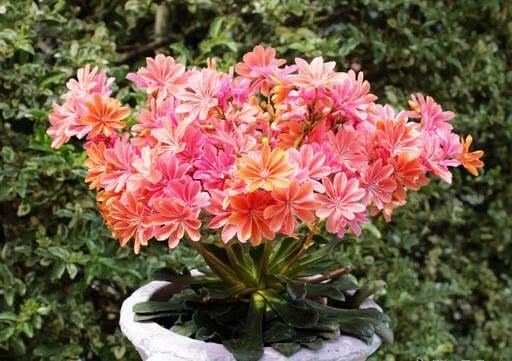
Soil in the north is generally on the alkaline side, so it is not very suitable for growing acid-loving flowers. Friends in the north who want to grow acid-loving flowers such as gardenias, camellias, and jasmine are more likely to see yellowing leaves. But there is no need to worry. Today I will share with you a great method for improving soil pH: the most common rice vinegar in our daily lives, which can make flowers and leaves turn a lush green and also keep pests and diseases away.
1. Watering flowers
Dilute the rice vinegar and pour it into the soil. It is very suitable for acid-loving flowers such as camellias, gardenias, and jasmine, because once the soil becomes alkaline, these flowers are prone to yellowing leaves. So we can dilute the rice vinegar 50 times and then water the soil with it. This can improve the soil pH and prevent soil salinization.
2. Spraying leaves
Dilute the rice vinegar and spray it on the leaves. It can make the leaves of foliage plants such as pothos and spider plants glossy and emerald green. It can also remove accumulated dust from the leaves and improve the ornamental value of potted plants. It can also promote the growth of flowers, making them grow better and bloom more. So when flowers are budding, spraying it can increase the number of blooms.
3. Promoting rooting
Many gardening enthusiasts like to use cuttings to propagate plants, which is one of the great joys of growing flowers. But rooting during cuttings can be a big problem, and we do not usually keep rooting hormone at home, so we can use other things as a substitute. Rice vinegar can be said to be a very good rooting solution. Dilute the rice vinegar 100 times, then put the cuttings in the solution and soak them overnight. This can promote rooting of the branches and increase the survival rate of cuttings.
Using it regularly to spray plants can enhance their disease resistance, especially against powdery mildew on roses. However, there are conditions for choosing vinegar: choose one that contains no table salt (NaCl), because salt can easily damage the roots of plants. When using it, be sure to dilute it properly and do not increase the vinegar content, otherwise it will do harm rather than good.