Spider plants are extremely hard to kill indoors; just master a few simple tips
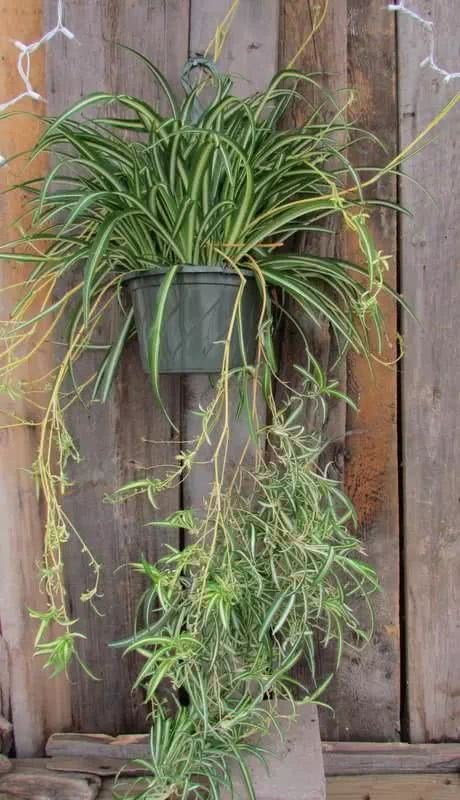
If you are the kind of plant killer who often kills potted flowering plants, you should choose a plant with particularly strong adaptability to the environment that is hard to kill. The spider plant is a plant with vigorous roots and fairly tough leaves, with good cold tolerance and slight tolerance to waterlogging, so even beginners will find it very hard to kill.
Spider plants not only have very strong environmental adaptability, but can also purify indoor air well, absorbing some harmful toxins in the home, especially having a good purifying effect on formaldehyde.
There are also very many varieties of spider plants, including green-leaf spider plants with emerald green leaves and those with leaf spots. The most beautiful ones are the variegated spider plant and the reverse variegated spider plant. It is very suitable for growing as a hanging basket. Give it proper light by a window or on a balcony, plus a warm and humid environment year-round, and it will grow well.
Growing spider plants indoors, they can grow well as long as there is proper light, but avoid keeping them in overly dark places. The maintenance location should at least stay brightly lit, and in summer avoid excessive exposure to strong sun.
For spider plants grown indoors, be careful to spray water or clean the leaves regularly. This can prevent too much dust on the leaves, which helps enhance photosynthesis and produce a better air-purifying effect.
It is relatively difficult for indoor spider plants to bloom. You can place them on a windowsill with scattered light, giving about 3 to 8 hours of scattered light each day. Do not water excessively or frequently; water thoroughly only after the potting soil has dried out.
Spider plants like a warm environment year-round. The minimum maintenance temperature should stay above 5°C. They have a brief ability to tolerate low temperatures, but prolonged cold easily causes frost damage. If the spider plant shows signs of frost damage, promptly cut off the frost-damaged leaves, otherwise the entire plant will develop black rot.
Spider plants can also be grown as hydroponic plants. Of course, it is best to use a dedicated hydroponic container and avoid soaking the entire plant in water, especially the leaves. If the entire leaf is soaked in water, it easily causes rot.
Propagating spider plants is also very simple. During growth, it continuously produces offshoots. Once these offshoots grow relatively robust, you can directly cut them off, soak them in water, and then insert them into loose, well-draining sandy soil for cuttings. Keeping a warm and humid environment makes it very easy for them to take root and sprout.
The most important thing in caring for spider plants is to avoid watering too frequently. In winter, avoid frost damage. If frost damage is found, promptly move the plant to a warm place and directly cut off the frost-damaged leaves.