Don't buy pothos or spider plants - here's a trick to turn 1 pot into a hundred in a year
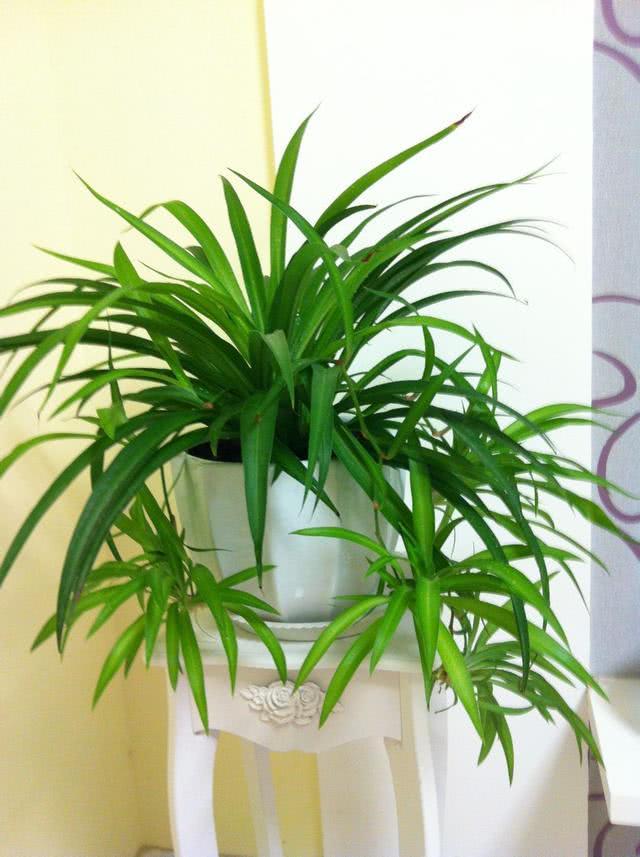
Pothos and spider plants are common plants in our daily lives, and almost every household keeps a pot of them. They purify the air, look nice, and are easy to care for. But many beginners don't know that these two plants don't need to be bought at all. Let's take a look!
Open the Baidu App to see more beautiful pictures
The owners of flower markets sell thousands of pots of pothos and spider plants every year, and they all use their small cuttings to turn one pot into several hundred! That's because these two plants can sprout and take root just by breaking off a branch and dropping it into warm, moist soil.
So friends who want to grow pothos and spider plants don't need to spend money buying them in the future. Just ask a friend for a small cutting and you can plant several pots. After half a year, you can grow as many pots as you want - just keep taking cuttings endlessly! Let's look at their cutting methods.
1. Pothos
Ask a friend for a branch from the pothos they are growing, cut it into small segments, and each segment only needs to keep one small node. After cutting, smear the cut end with garlic juice, or soak it in carbendazim for 20 minutes, then lay it flat or insert it into the potting soil.
To ensure the survival rate, the potting soil must be breathable sandy soil. After inserting the small cuttings, water thoroughly, place it in a ventilated and shaded spot, cover it with a plastic bag, tighten the bottom opening, and poke a few small holes in the top of the plastic bag for ventilation. In one week, the pothos will sprout small leaves. Once it has taken root, it can be transplanted into a flower pot for normal growing.
Key points for pothos care:
To grow pothos well, the environment is very important. It likes a ventilated, bright, and humid environment, but the potting soil must not become waterlogged. Long-term waterlogging will rot the roots. When watering, you must wait until the soil is dry and slightly moist, and when you water, water thoroughly. Usually, spraying water on its leaves more often can keep the leaves glossy green.
The potting soil is best if it is loose, breathable, nutrient-rich sandy soil. During the growing season, apply a nitrogen fertilizer once a month. Fermented rice water or fermented tea water is recommended.
In winter, when the temperature is below 10 degrees, do not water it anymore, and give it the necessary warmth. If you find yellow leaves, prune them in time and check whether they are caused by the potting soil being too wet.
2. Spider plant
The cutting method for spider plants is much the same as for pothos. Cut off the small plantlets on the spider plant's runners. The main thing is the clustered leaves on the spider plant's runners. These clustered leaves gather together and grow into small plantlets with root tips on them, which can easily and quickly propagate into new spider plants.
Choose breathable sandy soil for the potting soil. After inserting the small plantlets, water thoroughly, place them in a ventilated and shaded spot, and likewise cover them with a plastic bag to speed up rooting. Tighten the bottom opening, and poke a few small holes in the top of the plastic bag for ventilation. In one week, the small spider plants will sprout new leaves. After rooting, they can be transplanted, or the plastic bag can be removed for normal growing.
It is recommended to grow 1-2 plants in a small pot. To make the new leaves grow thicker, you can cut its leaves bare when taking cuttings, as long as you don't cut into the heart of the plant.
Key points for spider plant care:
If you can grow pothos, growing spider plants is even easier. It is more drought-tolerant than pothos, so in daily care, be careful not to water too much and cause its roots to rot. Do it so that it is better dry than wet, and when dry, water thoroughly.
The potting soil should still be loose, breathable, nutrient-rich sandy soil. Recommended: 1 part garden soil, 1 part leaf mold, 1 part yellow sand.
To make a spider plant fill its pot easily, apply fermented rice water or fermented tea water 1-2 times a month, and regularly prune old yellow edge leaves. If you want its leaves to be glossy, you can also mix in a little beer and spray it on the leaves, 1-2 times a month.
Some flower lovers always find that their spider plant leaves are weak when growing them. Here's a trick: cut all its leaves bare, and the newly grown leaves will be thicker and stronger.
In fact, the cutting methods introduced above are also suitable for: gardenia, kalanchoe, Chinese rose, hibiscus, oleander, chrysanthemum, camellia, osmanthus, jasmine, and other flowers. Once flower lovers learn this trick, growing these flowers in the future will be simple. With a branch or leaf, you can take as many cuttings as you want.
Alright, that's all for today's sharing from the editor. Thank you for reading. If you like it, please give the editor a like.