Pothos and lucky bamboo in semi-soil semi-water culture: even a lazy grower can get a pot bursting with growth
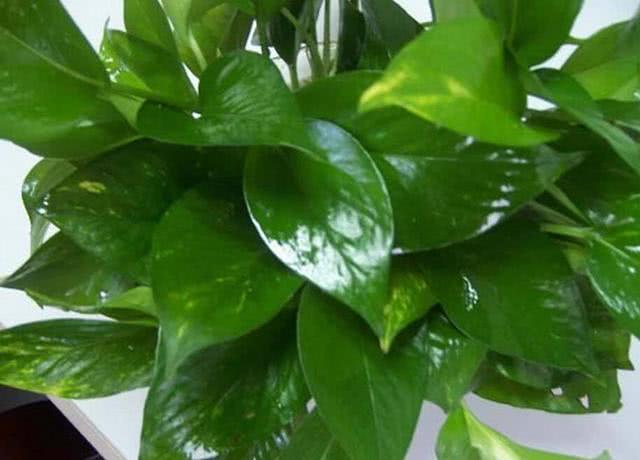
Do you fellow flower lovers all share this trouble? No matter how you care for your own plants, they always look wilted? Today, the editor will teach you a four-character motto, and that is semi-soil semi-water! Next, the editor will teach you how to put this four-character method into practice!
1. Pothos
Using a blade or scissors, cut several sections of pothos stems, each about 10cm long, keep two or three leaves at the upper end, and remove the extra leaves at the lower end. You can place the cuttings in a diluted carbendazim solution for two or three minutes, then take them out and let them dry. Prepare a small fish tank, pour some soil into the bottom, mix some sand into the soil, and then add clean water. After the soil and water are added, insert the pothos cuttings vertically into the soil at the bottom, making sure the lower part of the cutting is in the soil, the middle part is in the water, and the upper part is in the air, with the leaves also in the air. Freshly cut pothos should be kept in a ventilated spot with diffused light, avoiding direct sunlight.
2. Lucky bamboo
Semi-soil semi-water culture grows more vigorously than either plain soil culture or water culture alone. For the lucky bamboo you bought, cut the bottom into a horseshoe shape and remove the extra leaves at the bottom. Prepare a glass bottle, pour some soil into the bottom, then spread coarse sand on top. Place the lucky bamboo into the glass bottle; a glass bottle can hold at most 6 lucky bamboo stalks. Pour clean water into the glass bottle until the water level reaches half of the bottle; it is best to put the water in the sun for 2 days beforehand. Place the planted lucky bamboo in a warm, shady, ventilated place, and it is best to keep the temperature at around 20-30 degrees. It will root in less than half a month, and after a few months the root system will have filled the bottle.
3. Pennywort
In fact, the best way to grow pennywort is semi-soil semi-water, so pennywort can adapt very well to water culture, but the biggest difficulty in water culture of pennywort is fixing the pennywort in place, because pennywort has long stems and large leaves and is very prone to lodging due to being top-heavy, which ultimately makes it look unattractive. Therefore, when we grow pennywort in water, we need to choose different water culture methods according to the actual container, and it does not have to be water culture; an appropriate semi-soil semi-water setup may work even better.