How do you grow succulents so they get plump? Master these planting precautions
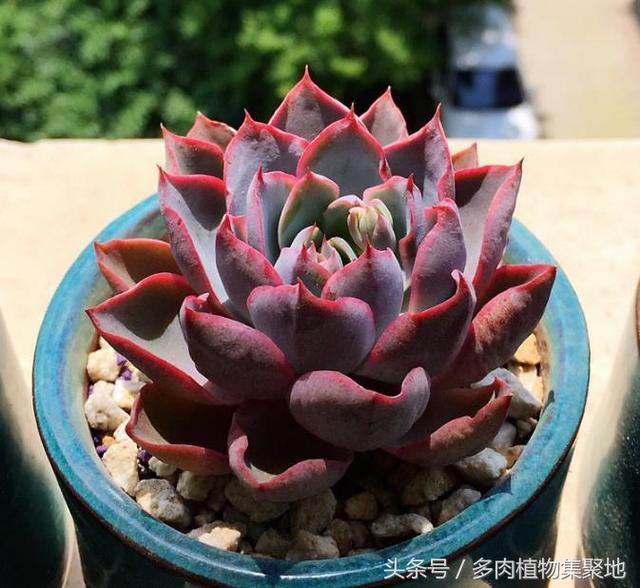
You must strictly control the watering method for succulents. Watering should be done according to their growth state. Whether a species is dormant in winter or dormant in summer, watering into the pot must stop during the dormant period. However, species that are dormant in summer must have water set out in places like walkways to sun-warm it and maintain a certain level of air humidity. For plants in the vigorous growth period, their water needs should be fully met. Seedlings should be watered more; terrestrial types less; epiphytic types more; during the bud-forming and flowering period more; after flowers fade and fruit drops, less; plants with many thin leaves more; plants with thick few leaves less.
You can also water according to the succulent variety. The amount of water is hard to say. Some flower enthusiasts' care environment is full sun, a rain shelter, and a ventilated spot on the fifth floor, with large day-night temperature differences in autumn, winter, and spring. As winter approaches, I choose to water once every 1-2 weeks, watering thoroughly depending on the situation. In summer and when spring and autumn are on the hot side, water less, about once a month, a small amount without watering thoroughly. Some varieties dry out easily and need occasional misting or moving to a shaded area.
With long hours of sunlight, succulents grow in a desert-like environment. If the sunlight is not strong enough, you will notice the distance between each leaf starting to stretch out, and then they are neither gorgeous nor cute. The growing medium is the most critical thing. If you want to grow succulents well, you must seriously explore this part. Environment, variety, and watering habits all have their own formulas. My lazy-person mix: use large-particle coal cinder at the bottom layer, mix medium-particle akadama soil with medium-fine particle coal cinder in the middle, and cover the surface soil with medium-grain akadama soil. Every famous succulent shop sells special blended medium formulas, but they still do not suit environmental factors. I suggest buying a pre-mixed medium as the middle layer, pairing the bottom layer with a super hydrophobic medium, which is better able to prevent itchy hands from watering the soil thoroughly and thus keeps the roots from rotting. For the surface soil, it is best to spread a single-color akadama stone, simple and good-looking.
The prevention and control of pests and diseases is mainly based on prevention. First, the environment must be clean and tidy. Foreign plants must be strictly checked, and only placed in the greenhouse when it is confirmed there are no pests or diseases. Concentrated pesticide spraying in the greenhouse during these three periods - early winter, early spring, and before the plum rain - has a twice-the-result-with-half-the-effort effect. In addition, disinfecting the growing soil has a very good preventive effect. Spraying pesticide must be done several times in a row to be effective (with 2 days in between). After using the same pesticide twice, switch to another one. Long-term use of one pesticide easily produces resistance.
In summer, common Crassulaceae succulents must be careful of stuffy heat, pay attention to whether sunlight is sufficient, and avoid too much water; low sunlight will make their necks stretch out and become somewhat ugly. In cool seasons, do not overwater; give a small amount of water. In autumn, when the day-night temperature difference is large, restrict water. Some varieties will show color turning red and denser leaves, which is the so-called beautiful appearance that succulent growers pursue during the cool growing season.
Cacti and succulents generally like warmth and relatively large day-night temperature differences. Except for epiphytic cacti and species of the genus Haworthia, light should be sufficient but soft. For this reason, apart from a few flat stem-segment and tall columnar species and certain Agave species, they should generally be cultivated in a greenhouse year-round.
This is a gathering place for succulent enthusiasts, sharing succulent care tips. Welcome to follow and exchange ideas.