Analysis of the Polymorphic Diseases Caused by Pulmonary Bulla Pathogens
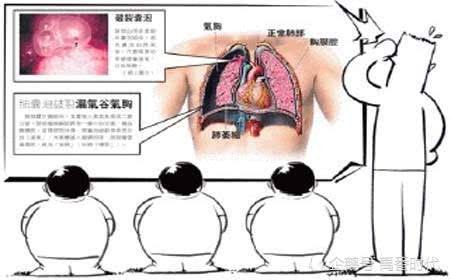
For many people, pulmonary bulla is a new term, and it is even harder to associate it with pneumonia, pulmonary tuberculosis, emphysema, lung abscess and the like. In fact, these diseases are all pathogens of pulmonary bulla, and there is also a category known as idiopathic pulmonary bulla. These pulmonary bulla pathogens may appear to be a diverse assortment of unrelated diseases, but pathologically they all involve inflammation of the small bronchi followed by edema, narrowing, partial obstruction of the lumen, and a ball-valve effect.
Pulmonary bulla
Therefore, these pathogens all readily cause pulmonary bulla, and the pathogen most likely to cause pulmonary bulla is emphysema. This is because in these primary diseases the bronchial lumen, that is, the alveoli, becomes narrowed and partially obstructed, forming a ball valve; during gas exchange, air enters easily but is not easily expelled, and after being retained it raises the pressure within the alveolar cavity. The ongoing inflammation damages the lung tissue, and the pressure within the alveoli continues to rise, causing the alveolar walls and septa to rupture.
The ruptured alveoli then fuse with one another, forming larger air-containing cystic cavities, namely pulmonary bullae. Pulmonary bullae caused by emphysema are also characterized by the presence of multiple small blebs in addition to the large bullae, and by particularly thin bulla walls. If the pressure within the lung increases and the alveoli rupture to form pulmonary bullae again, part of the bulla wall will be composed of pleura, becoming a subpleural pulmonary bulla. There are also smaller bead-like pulmonary bullae formed at the edges of the lung lobes, also called pulmonary blebs, which often coexist with pulmonary bullae; if they rupture again, pneumothorax, hemothorax and the like will form.
Pulmonary Bulla Pathogen: Acute Lung Abscess
People may think that concurrent or secondary pulmonary bullae are diseases that only adults are prone to, but this is not the case; infants, young children and other children are also prone to pulmonary bullae, because children are susceptible to pneumonia, lung abscess and pulmonary tuberculosis. If treatment is not timely, or if a complete cure is not achieved, the probability of triggering and developing concurrent pulmonary bullae may rise sharply, forming single or multiple pulmonary bullae, among which those caused by pulmonary tuberculosis are mostly solitary pulmonary bullae.
If you have any questions or need help, you can call 01062170649 13269852331