Fertilize potted kumquats like this during the flowering and fruiting stages for more fruit and a full bloom again next year
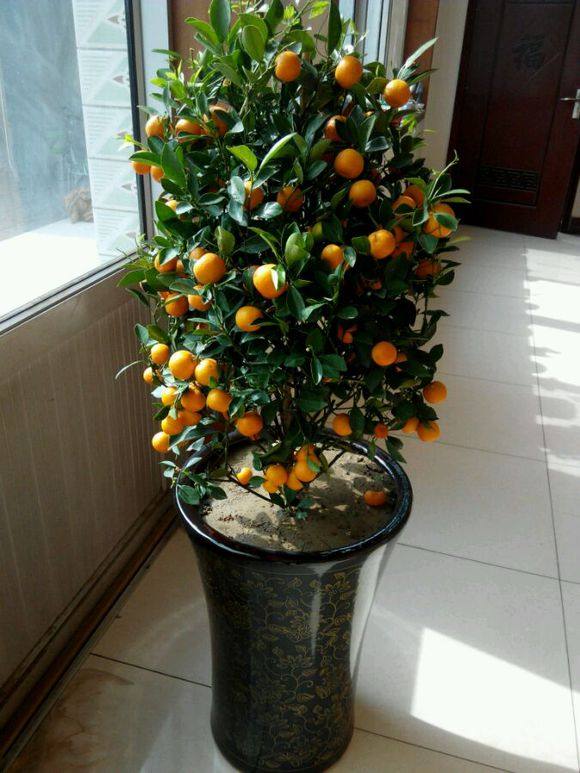
How do you manage a potted kumquat during the flowering and fruiting stages? Because the pot restricts the growth of the kumquat's root system. After winter passes and spring arrives, this is the time when we must give it supplementary fertilizer. Choose a fertilizer based mainly on phosphorus and potassium. It can increase the number of flowers it produces and also effectively prevent flower drop and bud drop. Continue until flower buds appear, then stop fertilizing.
During the flowering period, water must never be lacking; a lack of water easily causes wilting leaves and flower drop. Once the flowers open, we must pollinate them. Because they are grown indoors, there are no insects to pollinate them, and without pollination they will not set fruit, so you have to pollinate them by hand. After successful pollination, the fruit-swelling stage begins.
Once the flowers have completely finished blooming and the fruit begins to swell, the first thing we must do is thin the fruit, because it is grown in a pot and the nutrients in the pot are limited; if the supply cannot keep up, too many fruit set will mean the fruit cannot grow large, will be uneven, or will become deformed. Keeping two to three fruit on a branch is enough. While thinning the fruit, you must also prune the branches. The branches above the fruit and the newly sprouted tender shoots and new branches should all be pruned off, and the side shoots on the main trunk branches below the fruit should also be pruned off as much as possible. Keep only one main trunk and a few aged branches, and cut back as much as possible any branches that have not flowered. This allows nutrients to be supplied in a concentrated way. Only then will the fruit grow well and not drop.
After the flowers fade, we must fertilize promptly. The later top-dressing should also use a fertilizer based mainly on phosphorus and potassium. It can effectively prevent fruit drop and also help the fruit swell and ripen quickly. The principle of fertilizing is two to three times a month. Continue until the fruit ripens; during this period, add a multi-element mixed fertilizer once every one to two months. Only then can you ensure balanced nutrition for the whole plant. Yellowing and falling leaves will not occur.
Once the fruit is fully ripe, if you want to keep enjoying the fruit, you can let it hang on the plant for a long time, until spring of the following year. The fruit will still grow very well on it. But if you want it to continue flowering and fruiting next year, then once the fruit is ripe, cut it off promptly. Avoid letting it hang there long-term and affecting its flowering and fruiting next year. Pay attention to these points, and next year it will still bloom abundantly.
Once a potted kumquat has flowered and set fruit, fertilize it this way so it will not drop fruit; be sure to pay attention. Xiao Qi loves growing flowers and updates flower-growing videos and knowledge every day. If you also like growing flowers, follow Xiao Qi. Give Xiao Qi a like, and if you have any questions about growing flowers, feel free to leave them in the comments below. Xiao Qi will see them and reply to everyone one by one.