How to care for clivia through the four seasons? Easily solve the trouble of stuck flower stems and no blooming
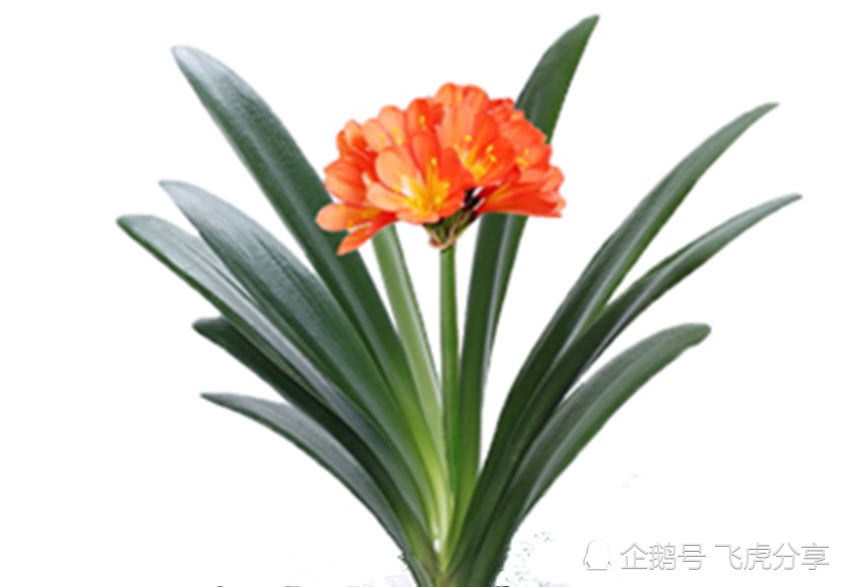
When growing clivia at home, you often run into the problem of stuck flower stems and no blooming. Some flower lovers have grown clivia for years and it simply never blooms, and when it occasionally does bloom once, the flower stem still gets stuck. This leaves many flower lovers at a loss. So what exactly should you do when clivia gets a stuck flower stem or fails to bloom? No worries, as long as you master the four-season care secrets for clivia, you can easily solve this problem
1, Spring. In spring, after clivia finishes blooming, new leaves keep emerging and root growth also speeds up. Therefore, you should seize the favorable opportunity of spring to repot and change the soil for clivia that needs it. One thing to note: when repotting, trim off part of the overly long and overly numerous roots, which is very beneficial to the growth of clivia. Spring has strong winds and a dry climate, so the care environment should be protected from spring winds to avoid dehydration of the clivia leaves. Also use methods such as misting to increase the surrounding air humidity, so that clivia grows healthily and vigorously.
2, Summer. Summer is the hottest period of the year with the strongest sunlight, so when growing clivia at home, never let strong direct sunlight hit the clivia, to prevent the leaves from dehydrating and drying out. Once the hot summer season arrives, you should always keep track of watering frequency, because water evaporates very quickly in hot weather. Observe the wetness of the potting soil frequently, and water immediately when you find it dry; do not let it dry out completely. Otherwise, the leaves will turn yellow and the roots will dehydrate. Keep the soil moist.
3, Autumn. The weather gradually turns cooler in autumn, so when growing clivia in autumn, avoid rain and do not mist, to prevent root and crown rot. After autumn, clivia gradually shifts from leaf growth to flower bud formation. During this period, you can bury an appropriate amount of phosphorus and potassium fertilizer in the pot to provide sufficient nutrients for bud formation. The leaves can be sprayed with beer diluted with 10 times the amount of water, or sprayed with a 0.2% potassium dihydrogen phosphate solution, once every 10 days, for three consecutive sprays.
4, Winter. Winter is the season when clivia forms buds and blooms. During care, you must strictly control the temperature, because too high or too low a temperature will affect bud formation and blooming in clivia, and it is also the most likely time for stuck flower stems. Therefore, in winter, providing a suitable temperature, appropriate light and a humid air environment are effective measures to promote blooming and avoid stuck flower stems. In winter, the most suitable growing temperature for clivia is 15-23 degrees during the day and 10-15 degrees at night. In winter, watering clivia should follow the principle of moist but not waterlogged, so that the surface of the pot appears dry, but the dryness of the pot surface should not exceed the depth of two fingers. As long as temperature, nutrients, watering, humidity and light are all suitable, you can completely avoid the problems of stuck flower stems and no blooming in clivia.