Inner Mongolia soybean prices have not risen in four months, and a rise looks unlikely this year
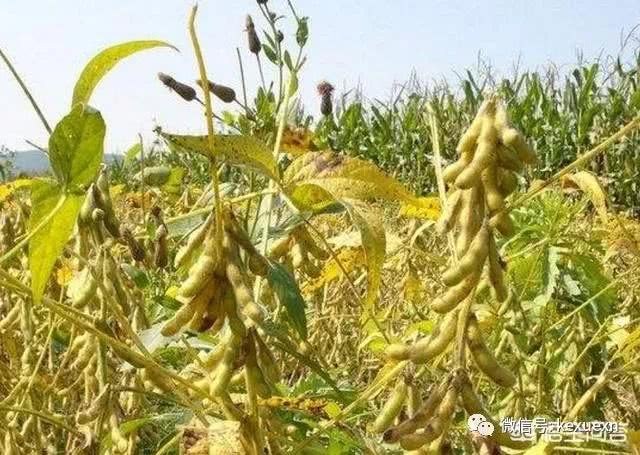
According to information learned by Science Farming, soybean prices in Inner Mongolia are basically 1.66-1.83 yuan per jin, with quality proportional to price. Friends who follow the soybean market should be fairly clear that soybean prices in the Inner Mongolia region were basically fluctuating around 1.76 yuan per jin around the Spring Festival, and now that three months have passed, prices still have not managed to rise.
In fact, it is not only Inner Mongolia where soybean prices are performing poorly; this should be a fairly common phenomenon. One thing is clear: for soybean prices to rise back to the 2.5 yuan per jin level of previous years is simply a fantasy. China is currently promoting market-based linkage of grain prices and linkage with international markets, meaning that after prices fall, linking with international markets helps soybean processing enterprises buy and consume grain and helps farmers solve unsold inventory, whereas the price situation of the past would only push domestic soybean deep-processing enterprises to purchase international soybeans, thus creating a situation where the grain in the hands of Chinese soybean farmers has a price but no market.
A drop in soybean prices does not mean soybean farmers' income from soybean cultivation will decline. According to information learned by Science Farming, in 2018 a document already clearly stated that this year's soybean producer subsidy would be no less than 200 yuan per mu. In other words, while soybean prices fall, the state is increasing agricultural subsidies to make up for the decline in farmers' cultivation income.
In 2017, the Northeast region had a bumper soybean harvest, with both yield and quality rising compared with the past, but prices declined. We should also view this correctly: the decline is only relative. Compared with national soybean prices, are prices not still quite high? In other words, current prices have still not achieved the goal of linking with international soybean markets. After linking with international soybean prices, it will also be a major positive for the processing and consumption of domestically produced soybeans, and will instead help promote domestic soybean consumption in China. Nowadays, many soybean farmers are still holding back their soybeans from sale.
From the broader environment, China is quite likely to face a soybean shortage this year, and the probability of soybean prices rising is very high. In 2017, prices at the initial stage of soybean market arrival were 1.7-1.8 yuan per jin, and as of now prices still maintain this situation, which is closely related to last year's relatively loose domestic soybean supply. Now the situation has changed somewhat. According to the latest news, China's soybean imports in the first four months fell by more than 10%, and it can be said that such a situation will also promote domestic soybean consumption. Moreover, because this year's soybean imports from the United States have been greatly reduced, future changes in the domestic soybean supply and demand pattern are also expected to drive China's soybean prices to gradually climb.
This article is original by Science Farming. You are welcome to follow and learn together.