Soybean imports fell 3.8% in the first 4 months; will pork prices be affected?
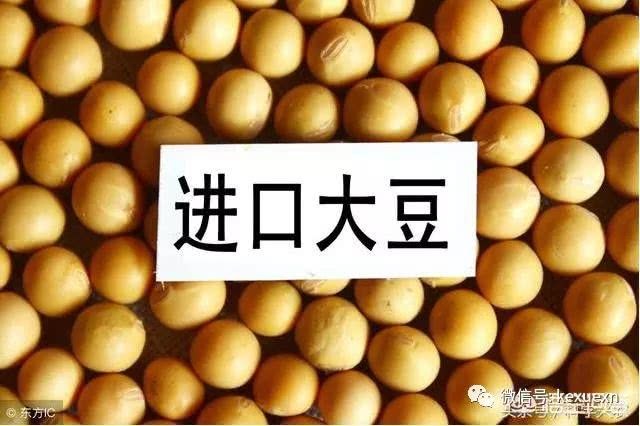
Actually, soybean imports and pork prices really have little to do with each other. The 3.8% drop in China's soybean imports in the first four months can only indicate either that domestic soybean supply in China is ample, or that soybean imports were affected and not as much could be imported. Looking at the current domestic and international environmental factors, I personally believe both factors are present.
Everyone is probably fairly familiar with this: since the autumn harvest in 2017, China's soybean price has stayed at around 1.8 yuan per jin, and even now the soybean price is still around 1.8 yuan per jin. Such a price is vastly different from the 2.4 yuan per jin of previous years. Soybean farmers are reluctant to sell, and because domestic soybean output has increased somewhat, domestically produced soybeans in China are also relatively ample.
And on April 4 this year, during Qingming Festival, the Ministry of Commerce issued a document imposing a 25% tariff on soybeans of US origin. Although the document has not yet been formally implemented, it has already had an impact on soybean imports. It is reported that the USDA's statistics this year show that soybean exports to China fell 19.7% over the same period. This is enough to show that China-US agricultural trade has already been affected to some extent.
As for the relationship between soybeans and pig prices, the intermediate links really make it hard to have an impact on pig prices, let alone pork. First, the reduction in imported soybeans has not, judging by the results, had a substantive impact on the current soybean price; the soybean price has recently remained relatively stable. Second, the soybean meal price has recently fallen somewhat instead. In other words, pig feed costs have not increased recently. Third, the pig market this year is severely oversupplied; even if the soybean meal price rises, it will be hard for pig prices to recover. What it does is accelerate the elimination of small backyard pig farmers.
The above is a bit of perspective shared with you by Science Agriculture. Welcome to follow us and let us help you grow your knowledge together.