Few jasmine flowers? Pay attention to these points and flowers will cover the branches
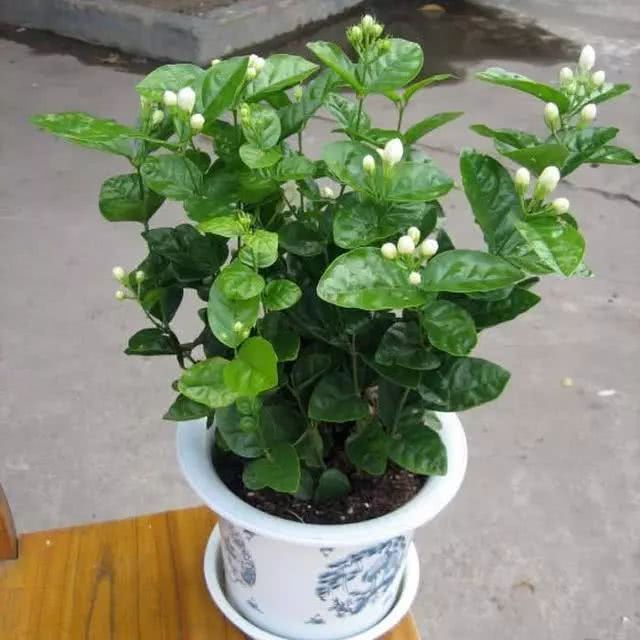
Jasmine, with its pure white flowers and overflowing fragrance, represents loyalty, simplicity, purity and loveliness. Placed in the bedroom or on the balcony, white flowers wind among the green leaves like little white butterflies crouching among the branches, and its distinctive scent rushes toward you, truly lingering in the mind.
Jasmine, because of its long flowering period, elegant simplicity and overflowing fragrance, is loved by many flower lovers. So how can you grow a spirited, vigorous plant that blooms abundantly? Let's take a look together
1. Choosing soil
For jasmine, the soil should preferably be fertile, breathable sandy or semi-sandy soil, with a slightly acidic nature; only in this kind of soil can its roots spread quickly and absorb well. When the root system is lush and can breathe freely, the plant will grow vigorously and flower bud differentiation will increase.
If the soil is poor and clayey with poor breathability, the roots will grow few and absorb poorly, so the plant will also be short and weak, and its flowering will be off form.
2. Sunlight
Jasmine likes an environment with plenty of light and good ventilation. Indoors, it must be placed on a balcony or in a spot with light; with good light the branches will be sturdy, the leaves dark green, and there will be many buds.
If the light is insufficient, or you leave it in a shady place for a long time and ignore it, then its branches will grow short and small, the leaves will be sparse, there will be very few buds, and the whole plant will look listless.
3. Fertilizing
Jasmine likes fertilizer, so it needs more fertilizing in daily care. The hot midsummer season is jasmine's peak growing season, so use more organic fertilizer and phosphorus-potassium fertilizer, applying 1 to 2 times a month; homemade ones also work, such as cake fertilizer, compost, and so on. Generally, from the start of flower bud sprouting in March all the way to the end of September, jasmine should be fertilized.
If during jasmine's growing season the plant often shows lush branches and leaves but no flowers, it is mainly because too much nitrogen fertilizer was used, causing leggy growth; at this time you must curb the nitrogen fertilizer and use more phosphorus-potassium fertilizer to promote bud differentiation, so that it can bloom as desired.
4. Watering
Jasmine is not drought tolerant, so normally its soil should be kept moist, but waterlogging is also taboo. In hot seasons, it is best to water once each morning and evening; if the leaves wilt and droop, also spray the leaf surface to promote growth. In the rainy season, promptly pour off any accumulated water in the pot. If the potting soil is too wet and not breathable, it will cause the leaves to turn yellow.
The water used for watering flowers is best treated first; tap water should be left to stand for two or three days until the chlorine or other substances evaporate before watering, or rainwater can be stored for use. Watering this way makes the soil less likely to compact, and the plant vigorous and full of vitality.
5. Pruning
When water, fertilizer, soil and light are all sufficient, jasmine will grow very fast and must be pruned in time. When new shoots grow vigorously, pinch them at 10 cm to promote branch differentiation, so there will be many buds and the plant shape will be compact and attractive.
After the flowers fade, promptly cut off the flowering branches to reduce nutrient consumption and promote branching and bud formation. In this way there will be many flowers, and it will look beautiful and well formed.
6. Pests and diseases
Jasmine is easily attacked by spider mites, scale insects and other pests, so pay attention to care normally; if you find diseased or pest-infested leaves, promptly pinch them off and dispose of and destroy them to avoid greater spread.
You can use garlic, onion, ginger and other pungent things from home, chop and mash them, mix with water, and spray it over the whole plant; it can effectively repel pests and also saves money and is eco-friendly. You can also tilt the potted plant under running tap water and gently rinse it with tap water, which can also repel pests and wash the leaves, making the plant glossy green and even more spirited.
Remember these points, and you will grow beautiful jasmine; the overflowing jasmine fragrance lingering through the whole house, what a pleasant thing that is!