Cymbidium faberi and Cymbidium goeringii have different habits, so managing them the same way is a big mistake
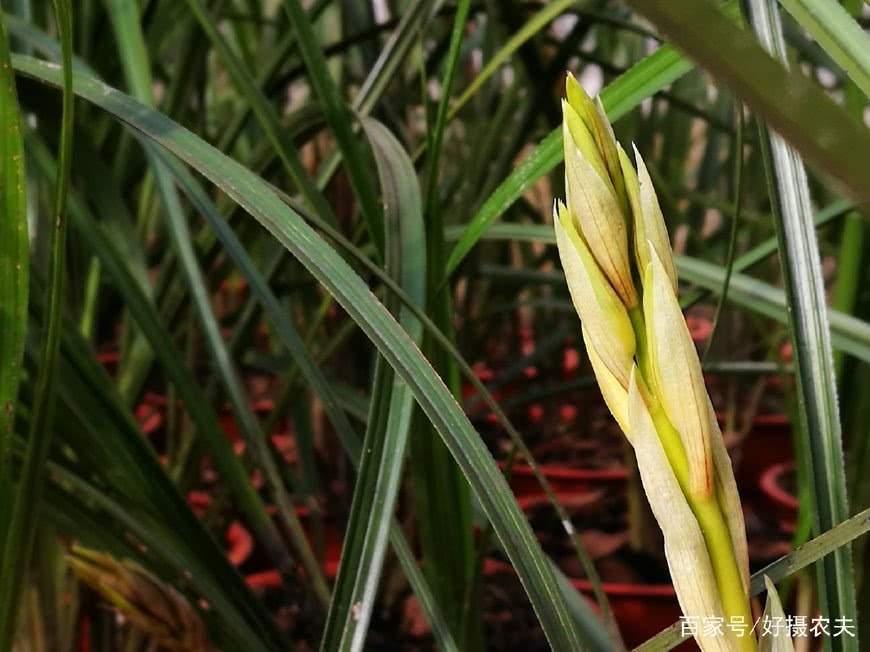
Photographer Farmer often searches for orchids in the wild, so he has seen Cymbidium goeringii and Cymbidium faberi in many different locations on the mountain. Some orchid enthusiasts ask, aren't they all orchids? What's the difference? In fact, the differences here are huge.
On the same mountain, Cymbidium goeringii and Cymbidium faberi often grow at the same time, but their locations are definitely different. The altitude of wild Cymbidium faberi growing areas is higher than that of Cymbidium goeringii. We often find Cymbidium faberi on mountain ridges, where it is dry, ventilated, and the relative humidity is low; while Cymbidium goeringii is on the mountainside or by streams in mountain gullies, where it is humid and cool.
The soil on the mountain ridges is relatively lean and dry, so Cymbidium faberi sends its roots deep down, or spreads them out over as large an area as possible, which is why Cymbidium faberi's root system is particularly well-developed and thick. In the places where Cymbidium goeringii grows, there is a lot of alluvial mud washed down from the mountain. This kind of soil is very fertile, and plant roots all tend toward fertilizer and water, so Cymbidium goeringii's roots do not need to be so long and strong; it can fully obtain the nutrients it needs. This is the reason for the difference in root systems between Cymbidium goeringii and Cymbidium faberi, evolved through the process of natural selection.
Therefore, when we grow orchids, we should refer more to their conditions in nature and imitate them as much as possible. For example, Cymbidium faberi is drought-tolerant, sun-tolerant, and likes plenty of ventilation; Cymbidium goeringii likes humidity and shallow planting. From this, work out a set of operating experience that suits yourself and suits orchids.
Friends, what do you think? Welcome to discuss