Don't Throw Away the Carnations After Mother's Day - Cut a Segment and Stick It in Soil to Propagate Multiple Pots at Once
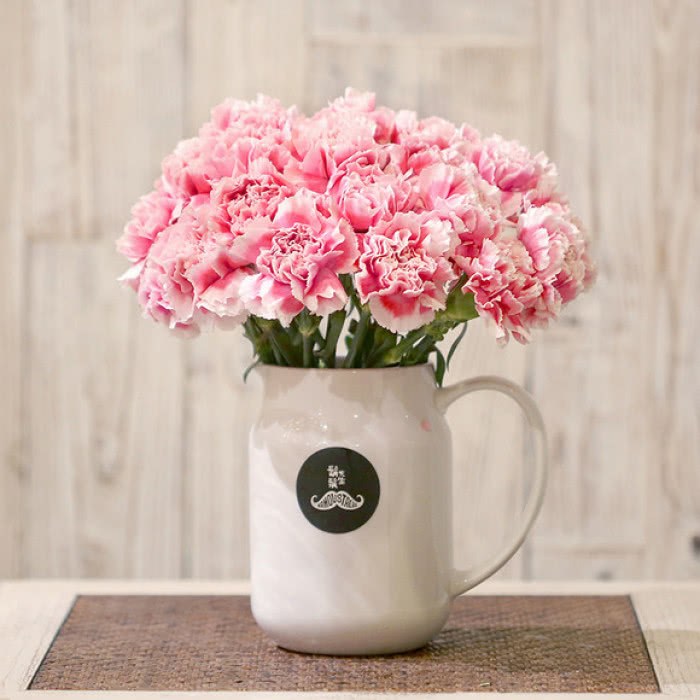
Yesterday was Mother's Day, and it was surely the happiest day for all mothers. They received endless blessings, and probably also a bouquet of gorgeous flowers - carnations. It would be such a shame to just put such beautiful flowers in water and let them slowly wither! Cut them up and stick them in soil, and you can propagate multiple pots at once. Then you can enjoy the flowers forever!
Specific Method
Newly bought carnations usually have side shoots. Twist off the side shoots for cuttings (side shoots like these have a high survival rate) and insert them into a sand bed. Also, keep the room temperature at around 20°C, place them in a bright spot with indirect light at home, water thoroughly once, and they will root in about 15 days. Wait until the root system has grown a bit more before repotting.
To increase the survival rate, you can soak the stems in rooting solution for 10 minutes. This can shorten the rooting time and increase the rooting rate, indirectly improving the survival rate. It is also recommended to take several cuttings at once!
Daily Care Methods
After rooting, it is time to pot them up. The potting soil should be a loose, fertile, humus-rich, sandy soil with good drainage. In addition, it is recommended to add some fungicide to the potting soil. This can kill bacteria and insect eggs in the soil and reduce the chance of root rot.
The flowering period of carnations is from April to September. Compared with other flowers, the flowering period is still quite long. During the growth period of carnations, place them in a spot with plenty of sunlight. This is better for their growth and helps them bloom!
Also, during the peak growing season, apply dilute liquid fertilizer 2 to 3 times a month to provide the nutrients carnations need for growth. And in the early flowering stage, spray a potassium dihydrogen phosphate solution to make the flowers more vivid and beautiful.
Carnations are relatively drought-tolerant, so you can water them less often normally. But during their peak growing season, the water supply must be sufficient, just keep the soil moist!
That's all for today's sharing!
Isn't it simple?
Welcome to leave a comment and share more flower-growing experience!