Reasons for Yellowing Leaves on Alocasia macrorrhizos (Giant Taro) and How to Fix Them
1. Increase light
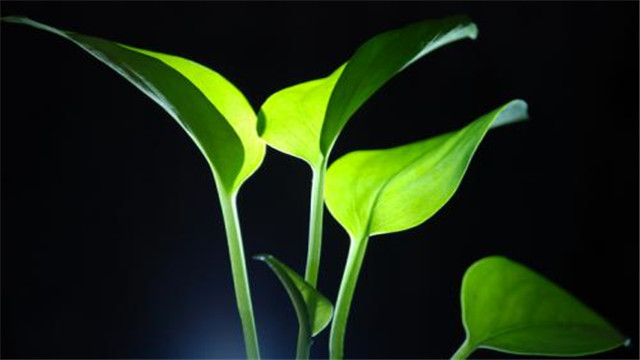
If this plant is kept for a long time in a living room or other spot that lacks light, it will develop yellow leaves due to insufficient light. At this point, we need to increase its light; we can put it on a sunny balcony or directly in the yard. It is worth noting that when the summer sun is too strong, it should be shaded appropriately.
2. Water reasonably
This plant has a relatively high demand for water. When watering in summer, it is better to keep the potting soil moist than to let it dry out, while in winter the frequency of watering should be reduced appropriately, because it enters a dormant period in winter. In addition, when watering, it must be watered thoroughly; if watering is not thorough, the tips of its roots will be short of water for a long time, ultimately causing its leaves to turn yellow.
3. Replace the soil promptly
If the potting soil it is in is not replaced in time or no soil loosening is done, then this plant is very likely to develop yellow leaves. At this point, if we do not want to repot it, we should loosen the potting soil, but the best choice is still to replace the potting soil; putting in fresh soil will make the nutrients in the soil more abundant and be more conducive to the plant's growth.
4. Maintain a suitable temperature
Unsuitable temperatures can also cause its leaves to turn yellow. It is a plant that relatively prefers high temperatures, and in winter it is quite likely to suffer cold damage; if a reasonable temperature is not provided in time, it may even freeze and damage the roots, so in winter it must be moved indoors for care and good insulation measures must be taken. In addition, after winter has passed, you must not rush to move it outside; a sudden temperature change can also cause its leaves to turn yellow.