Rainwater offers many benefits to succulents, making the leaves plump and compact
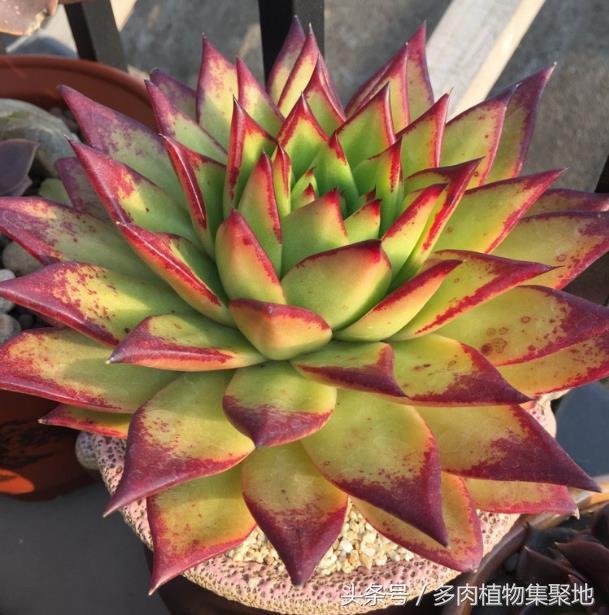
Rainwater forms when tiny particles of water vapor in the sky condense after meeting cold air. It places no burden on succulents' ability to use it, and the soil is less likely to compact. Rainwater has a relatively high dissolved oxygen content, and at the same time, it contains a certain amount of nitrogen compounds that can be absorbed and used by plants, promoting plant growth. Rainwater is commonly used to water plants such as mock orange, jasmine, azaleas and camellias, with even better results for the flowers: not only do the branches and leaves flourish and growth speed up, but the plants also become robust, the cultivation period can be extended, and the ornamental value is improved. Rainwater also has many benefits for succulents.
Undoubtedly, rain can replenish water for plants, and rainwater is soft water, making it the best water for growing them. The reason thunderstorms are emphasized is that lightning is a high-voltage discharge of tens of thousands of volts in the sky, which is nature's best way of fixing nitrogen. Nitrogen in the air will be turned into nitric acid by the high-voltage discharge and fall into the soil with the rain. If organic fertilizer, plant ash, leaf mold or humus soil is used, the rainwater carrying nitric acid that falls will combine with substances in the soil to form nitrates essential for plant growth, which is beneficial for succulents to absorb.
Letting succulents get rained on is good for their growth and can help the roots breathe. Ozone dissolves in rainwater, and because of its strong oxidizing effect it can play a sterilizing role, while at the same time ozone in water will also slowly be reduced to oxygen; oxygen-rich rainwater is the best supplement for plant roots. It places no burden on succulents' ability to use it, and the soil is less likely to compact. Rainwater has a relatively high dissolved oxygen content, and at the same time, it contains a certain amount of nitrogen compounds that can be absorbed and used by plants, promoting plant growth.
Rainwater can wash away some dust. Many succulent growers living in cities, if there happens to be a source of dust nearby, such as steelworks, coal factories or construction dust, will find that dust easily sticks to succulent leaves; rain can wash away some of the dust and help succulents improve their photosynthetic capacity. Succulents that have fully settled into their pots can be rained on. Newly planted succulents, because their roots have not yet fully adapted to conditions in the pot, are still somewhat sensitive to changes in external temperature and humidity. So it is best to wait until the succulents have settled in, for example succulents after 3-4 months.
Rain that suddenly falls during hot weather should be avoided as much as possible. This also depends on what variety your succulent is; some succulents are arid plants that naturally cannot be watered much, though most succulents have no problem being rained on. Generally speaking, on ordinary rainy days you should shelter them from the rain, while thunderstorm weather is a heaven-sent opportunity for succulents, and you should try not to miss it.
Getting rained on is about letting succulents absorb water, not letting them soak in it. The pots used for growing succulents must have drainage holes in the bottom; no matter how beautiful the pot is, don't be reluctant to do it - once you have it, you must drill holes before using it. Loosening the soil after rain lets the soil come into contact with more air, and the wind and sunlight evaporate the water in the soil. As for the nitrates already formed in the soil, even if they have not yet been absorbed by the plants, they will not be carried away by water evaporating. The nutrients are retained.
This is a gathering place for succulent lovers, sharing succulent care tips; you are welcome to follow and join the discussion.