Smog harms lung health, beware of pneumoconiosis
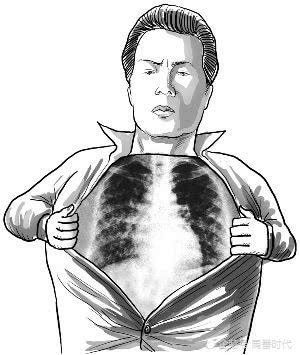
A large part of pneumoconiosis is silicosis, but one pneumoconiosis phenomenon has drawn people's attention in recent years: after more than a decade of smog covering the land, it has fueled the incidence of pneumoconiosis. Because air is constantly interacting with the human body, harmful substances from smog are delivered into the body every minute and every second, making the original occupational silicosis worse and aggravating the progression of the disease. And ordinary people, because of the presence of smog, have also moved toward pneumoconiosis and many other diseases.
Pneumoconiosis
Smog has attracted the attention of many people, and quite a few others dismiss it. Yet people still know very little about the harmful substances contained in smog. The harmful nature of smog lies mainly in the haze, because it contains an aerosol composed of particulate matter such as dust, sulfuric acid and nitric acid, also called gray haze or smoke haze.
Smog has now taken up "half the country" across the inland land, and the state is making great efforts to eliminate the root causes of smog. Yet at present the harm smog does to people is hard to eliminate; it contains more than 20 kinds of harmful substances. These cover acids, alkalis, salts, amines, phenols, dust, pollen, mites, and many bacteria and viruses such as influenza virus, tubercle bacillus and pneumococcus. The content of these harmful substances is dozens of times higher than in the original atmosphere.
Smog
Therefore it pushes up the incidence of pneumoconiosis, various infectious diseases and many other diseases, and most of the suspended particulate matter in smog is less than 0.01 micrometers in diameter, so it easily enters and deposits in the upper respiratory tract and the trachea and bronchi, causing various diseases and driving the occurrence and development of pneumoconiosis.
If you have questions or need help, you can call 01062170649 13269852331