Pothos and lucky bamboo grown in soil, bursting out of the pot in a month with glossy green leaves
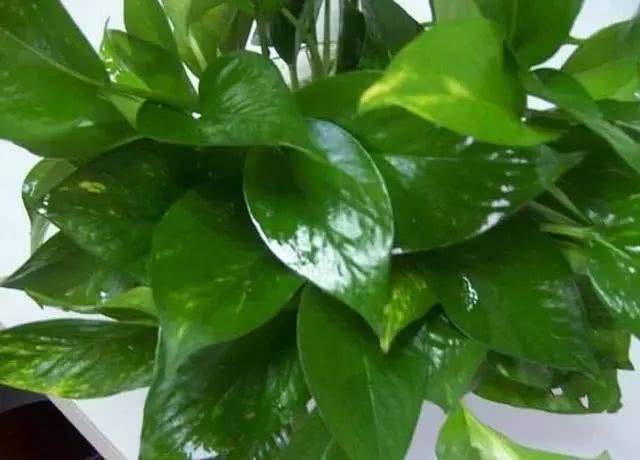
Do gardening friends all share this worry? No matter how you care for your plants at home, they always look wilted? Today, Buyan teaches you a four-character motto, and that is half soil, half water! Next, the editor will teach you how to master this four-character method!
No.1 Pothos
Whether grown in soil or in water, the pothos at home never grows into the look you want. Today I will tell you that you might as well try the half-soil, half-water growing method. It will absolutely give you unexpected results! Hurry up and give it a try!!
Specific method:
1. Sterilize the scissors, and cut healthy stems of about ten cm from the pothos. Note that each stem section should keep two leaves to maintain normal photosynthesis.
2. Soak the stems in a carbendazim solution for about half an hour, then place them in a cool, ventilated spot.
3. Find a large flower pot, add about one third airy potting soil to the bottom, then pour in about two thirds water.
4. Insert the stems about ten cm into the soil, keeping the bottom of the stems in contact with the water. Do not let the leaves touch the soil, then add stones to hold the stems in place.
5. Place it in a cool, ventilated spot, and be sure to add water and apply fertilizer promptly. A compound fertilizer is enough!
Pennywort
The easiest plant to keep alive is none other than pennywort. A droopy pennywort will stand right back up after one watering. Isn't that amazing?
Specific method:
1. Prepare a large flower pot without drainage holes, because pennywort multiplies very quickly.
。
2. Pour potting soil into the pot, about 4 cm thick is enough, and insert the sterilized pennywort stems into the soil.
3. Add water to cover the potting soil by about two cm. In about two days, two runners will grow.
4. Apply fertilizer weekly to meet the rapid growth and development of pennywort. About one or two granules of compound fertilizer is enough.
5. If the roots are exposed above the water surface, add soil promptly to cover them.
6. Turn the flower pot once a week to prevent pennywort from leaning to one side due to phototropism. In just one month, the pennywort will burst out of the pot!
7. Pay special attention: once pennywort is found to be blooming, remove the flowers immediately to prevent excessive consumption of nutrients!
Lucky bamboo
When lucky bamboo is grown for a long time, the biggest trouble is yellow leaves. The half-soil, half-water method can eliminate this trouble.
Specific method:
1. Promptly cut off the yellowed parts.
2. If the roots are rotten, use sterilized scissors to promptly cut off the rotten parts with a 45° cut, increasing the contact area with water and improving the rooting rate.
3. Prepare a vase, wash and sterilize the sand, pour about two cm into the vase, then insert the treated lucky bamboo into the soil and pour in clean water.
4. It should be placed in a ventilated, cool spot. If the water becomes cloudy or has an odor, change the water promptly.
5. After about half a month, it will take root. After rooting, add nutrient solution once every half a month to make the roots differentiate faster.
6. Supplement iron promptly. Scrape off rust from rusty iron, mix it with water and pour it into the bottle to supplement iron, which can prevent yellow leaves.