There's an art to choosing soil for home gardening; only by knowing these soils can you keep your flowers alive
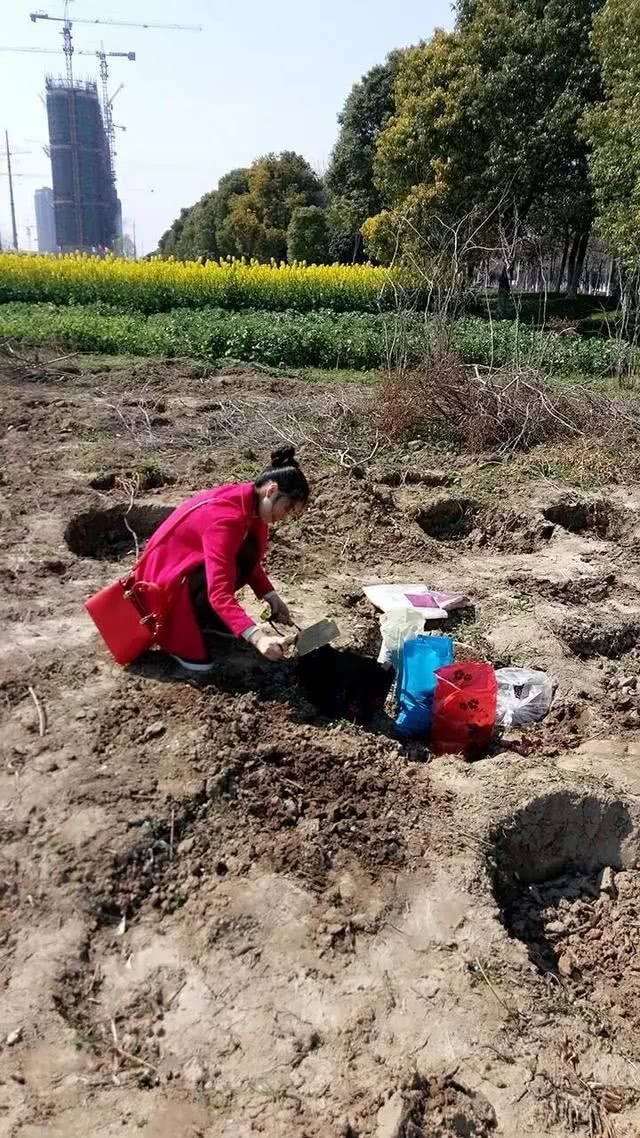
We can't do without soil when growing flowers, and without good soil you can't grow flowers well. Many friends, when repotting their potted plants, just dig up some garden soil to use, and after a while they find that the potting soil has become severely compacted. In fact, a single type of soil can't grow flowers well; you need to mix several types of soil together. Today let's get to know these soils commonly used for growing flowers
1. Garden soil
Garden soil is mostly sourced locally, from the surface soil of vegetable plots, orchards, and community green belts
Garden soil is the most ordinary soil, slightly acidic, with fairly strong water and fertilizer retention, but rather poor air permeability and prone to compaction. When using it, it's best to add some materials to adjust it.
2. Leaf mold
Leaf mold is mostly collected from forests and bamboo groves.
Leaf mold is soil formed when the fallen branches and leaves of large trees decay and ferment after being exposed to sun and rain. Leaf mold is loose and soft, acidic, rich in nutrients, and has good water and fertilizer retention, suitable for cultivating and growing all kinds of flowers.
3. Peat soil
Peat soil mostly comes from rivers, ponds, lakesides and other places, and is obtained after drying and processing.
Peat soil is formed by organic matter continuously accumulating and piling up underwater, and part of it has already carbonized and turned black. The soil is acidic, contains very high organic matter, and also a large amount of fibrous humic acid. Its water and fertilizer retention is very good, making it an excellent growing soil.
4. Coniferous soil
Coniferous soil mostly comes from the surface soil under pine and cypress trees
Coniferous soil is made from the fallen matter of pine trees after piling and composting; when using it, take the surface soil. The soil is acidic and nutrient-rich. You can also collect some pine needles to spread at the bottom of the flower pot; they drain and aerate very well, with excellent results.
5. Sandy soil
Sandy soil mostly comes from riverbanks, beaches and other places
The main role of sandy soil is to increase the soil's air permeability and drainage. It contains few nutrients, so when using it, add more of other soils to blend it, which helps plants root and helps the roots breathe.
6. Others
In daily life there are many materials that can be used for planting flowers and raising seedlings, such as wood shavings, tree bark, wheat bran, rice bran, sawdust and so on. These can all be used as soil for flowers, but they must go through a period of fermentation and decomposition before use.
Vermiculite, perlite, expanded clay pellets and the like have little nutrition themselves, but they can provide good aeration and drainage, and can be combined with other soils for planting.
Chinese evergreen (Aglaonema), spider plant, clivia, poinsettia and so on: these flowers like loose, well-aerated soil. Especially for flowers with fleshy roots, the soil must be loose and airy, otherwise poor drainage, waterlogging and compaction easily lead to root rot and disease;
Orchids, gardenia, camellia, jasmine, rhododendron and so on: these plants like acidic soil. If the soil is too alkaline, yellowing and dropping of leaves will occur, so pay attention to this in daily care;
Chinese rose, cactus, geranium, chrysanthemum: these plants are all alkali-resistant and are not so picky about soil.
Soil must be disinfected before use:
Because these soils come from nature, it's unavoidable that the soil contains bacteria, insect eggs and other microorganisms, so it must be treated before going into the pot; only after sterilization and disinfection can it be used.
Disinfection methods: 1. Sun exposure: spread it flat under the sun and expose it for three or four days. 2. Heating: spread it in an iron wok, on an iron plate, or in a microwave oven or similar container, and heat it to disinfect. 3. Boiling water: pour just-boiled water over it and stir, repeat this several times, then dry it in the sun. 4. Chemicals: use fungicides such as carbendazim and chlorothalonil, diluted with water at 1:800, spraying while turning the soil, then seal it with plastic wrap for three to five days and it's ready.