What are the considerations for choosing stones for Chinese landscape bonsai?
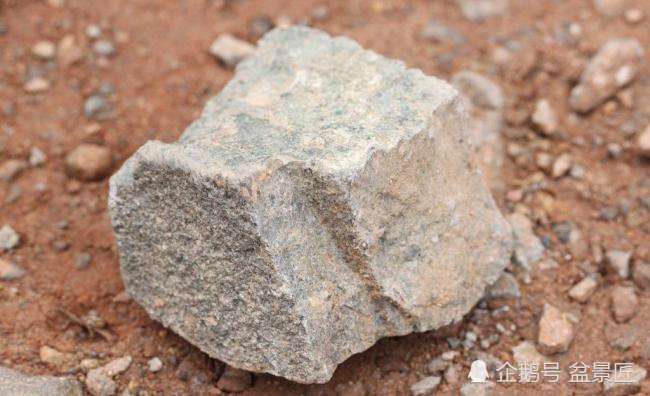
The main body of an attractive landscape bonsai is made up of all kinds of stones, and these stones are the result of weathering in the wild. Their shapes are natural yet still unique. In the geography classes we took as children, we saw too many geological landforms, such as Yardang landforms, karst landforms, and so on; different landforms produce different stones. Today we are talking about soft stones.
As the name suggests, "soft" means the stone's texture is relatively soft. These stones can be sawn, carved and given a whole series of artificial treatments. It is relatively easy for "crops" to grow on this kind of stone, because of its water absorption and water retention. Its advantages are prominent, but its drawbacks are not few either. Being soft makes it brittle, easily damaged and easily weathered. Here are a few kinds of stones; when you have nothing to do, you can go out and collect stones.
Mushroom coral stone: mainly found in the shallow seas of the tropics and subtropics. The stone is pure white, fine in texture and easy to carve. Friends in Fujian and Guangdong can go to the seaside to collect it when they have nothing to do.
Calcareous tufa: a limestone-type stone, found in limestone-type drainage basins. It comes in quite a few colors, including off-white, earthy yellow, brick red and earthy brown. The main producing areas are concentrated in Sichuan, Jiangxi, Guizhou, Yunnan, Guangdong, Guangxi and other places. (If there is some where you live, you can leave a comment so the editor knows too.)
Chicken-bone stone: it is called this because its shape resembles chicken bone marrow. Its main producing areas include Jiangsu, Jiangxi, Hebei and other places.
Pumice: this is a type of igneous rock, and its main producing area is the northeastern part of Jilin.