Eight keys to growing orchids well: four musts and four don'ts
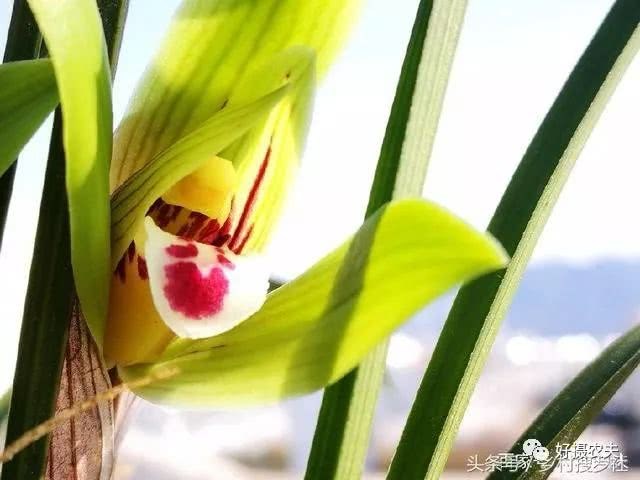
Many people love orchids, but loving them and being able to grow them well are two different things. When you grow orchids, do you often watch them wither and die, and while your heart aches, do you also blame yourself for lacking skill or technique? The key lies in these eight points, do you know them? A farmer is not an expert either, just someone who likes to discuss and exchange orchid-growing experiences with friends.
Four musts for growing orchids. Master these four musts and your orchids will not die.
One, orchids must get sunlight. Like other plants, orchids need photosynthesis. If they are kept indoors all the time without sunlight, the orchids will suffer greatly.
Two, there must be air permeability. This air permeability refers to the orchid pot. Some orchid growers like to use high-end porcelain pots, but they do not know that porcelain pots are very impermeable, and if they are not permeable, water accumulates easily. Orchid roots are aerial roots, so how can they do without air permeability? You can use clay pots or plastic pots, either is fine, with holes at the bottom of the pot and holes in the body of the pot as well.
Three, there must be ventilation. Here it refers to the environment where the orchid pots are placed. Generally, in cities, a balcony is best for growing orchids. As I said before, do not keep them indoors all the time.
Four, there must be vernalization. Vernalization means that during the bud stage, orchids need to be exposed to low temperatures. Why? Low temperatures can inhibit the sprouting of leaf buds, thereby accumulating energy to supply the development of flower buds. Generally, a low temperature of 2--10 is best.
Orchids not only have four musts, but also four don'ts. Only by mastering the four don'ts can you grow orchids even better.:
One, do not overwater. The photo-taking farmer has always emphasized that orchid roots are fleshy roots and are most afraid of water. Too much water will definitely rot the orchid roots, so when watering orchids, it is better to keep them dry than wet. Also pay attention to water management regarding afternoon water in summer. Absolutely do not do it, afternoon water in summer will kill the seedlings.
Two, do not overfertilize. Orchids need a little fertilizer, but it absolutely must not be too concentrated. Fleshy roots are like radishes; too much fertilizer will definitely rot the roots.
Three, do not expose to scorching sun. Orchids need sunlight but are also afraid of scorching sun, especially the summer sun. In the mountains, orchids generally grow mostly under broad-leaved forests, where the summer environment is shady and cool, and in autumn and winter they can get sunlight. Do you understand now that I say this?
Four, do not be too tenderhearted. In the mountains, an orchid is just a blade of grass, and no one pities it. After bringing it home, do not be too tenderhearted either. Heated rooms and air-conditioned rooms are both places orchids dislike.