Snake Plant or Radermachera Leaves Curling? Just 3 Steps to Make Them Stand Up Straight and Glossy Green
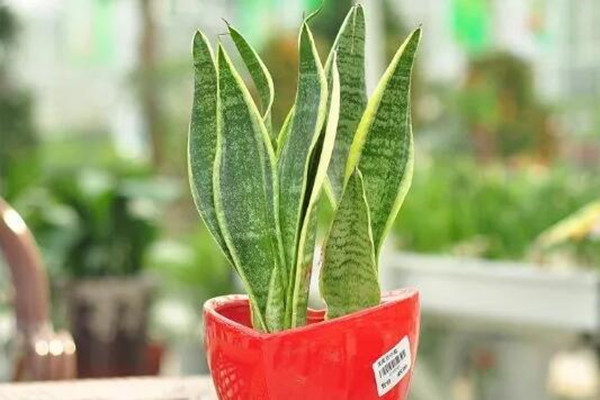
The Snake Plant Got a "Permanent Wave"
Cause 1: Improper watering.
Although snake plants are drought-tolerant, they still can't go without water for long periods. If the leaves don't get enough moisture, they will soften and curl.
Solution:
Pay attention to watering timing. The basic principle is to water thoroughly once the soil is dry. You can dig down 3~5cm to check; if it's dry, it's time to water. In the current season, water about once a week.
Cause 2: Too much light.
Snake plants are fairly shade-tolerant and don't need overly intense light, otherwise the leaves easily wilt and become curled.
Solution:
When the temperature is high and the light is intense, don't put the snake plant on a south-facing balcony. Instead, place it somewhere in the living room with indirect scattered light.
Cause 3: Compacted soil and insufficient nutrients.
If the soil used for growing snake plants isn't loose and airy enough, it easily becomes compacted, which affects the roots' ability to absorb nutrients and causes the leaves to curl.
Solution:
For the soil, you can mix leaf mold and river sand at a 1:1 ratio. Placing some ceramic pellets or broken tiles at the bottom of the pot can improve drainage and aeration. Normally, water with fermented rice water to ensure a sufficient nutrient supply.
Rose Leaves "Shrunk" into a Ball
Cause 1: Too much light.
Roses love sunlight, but when combined with excessively high temperatures and intense light, the evaporation of water from the leaves speeds up, causing them to wilt and curl.
Solution:
When the light is too intense, make sure to shade the roses to reduce water evaporation, so the leaves can stay vigorous.
Cause 2: Malnutrition.
Roses need plenty of nutrients to support both blooming and leaf growth. If the soil lacks nutrients, the newly grown leaves may curl.
Solution:
You can bury two granules of compound fertilizer in the rose's potting soil each month to maintain soil fertility. Before the flowering period, apply a 0.1% potassium dihydrogen phosphate solution to promote budding.
Cause 3: Pests and diseases.
Recently, some gardening friends reported that their roses had aphids. Aphids are one of the main pests and diseases of roses, and once infested, they easily cause the leaves to curl.
Solution:
Chop garlic into a paste, mix it evenly with water, then filter out the garlic water. Dilute it 20 times and spray it on the roses with a spray bottle. Spray continuously for a week and it'll be fine!
Radermachera Leaves Got "Wrinkled"
Cause 1: Sudden environmental change and poor air circulation.
Radermachera may be unfamiliar with a new environment at first and can show leaf curling. Also, if the placement spot isn't well-ventilated and the air humidity isn't sufficient, it will affect the leaves' condition.
Solution:
Provide sufficient light, place it somewhere well-ventilated, and frequently spray water around the radermachera to maintain air humidity.
Cause 2: Improper watering.
Insufficient watering means the leaves can't absorb enough moisture and easily curl and shrivel; overwatering makes the radermachera prone to waterlogging, and the leaves will also droop and bend.
Solution:
Radermachera generally only needs watering once a week. It's better to let it dry out than to waterlog it. If it dries out, watering will help it recover; if it gets waterlogged, the roots easily rot and it's hard to save.
Cause 3: Insufficient nutrients.
It could be that the pot isn't big enough, the root system is too strong, and the soil fertility isn't enough, leading to nutrient deficiency; or it could be that the soil itself isn't fertile enough.
Solution:
For the soil, you can choose leaf mold and river sand mixed at a 1:1 ratio, and switch to a slightly larger pot to ensure the roots have enough room to spread.
Spider Plant Got an "Ionic Perm"
Cause 1: Damaged roots.
If the roots are damaged during transplanting, it will affect the spider plant's ability to absorb nutrients and water. Insufficient nutrients and water will cause the spider plant's leaf edges to curl.
Solution:
Be very careful when transplanting so as not to damage the roots. If there is damage, let it dry first, apply carbendazim, and then replant.
Cause 2: Too much light.
Spider plants are shade-tolerant and don't need too much light. If the light is too intense, it will speed up water evaporation from the leaves and cause curling.
Solution:
Generally, we just place spider plants in the bedroom or living room where they can receive scattered light.
Cause 3: Insufficient space.
Spider plants need ample room to spread out. If there are obstructions around them, such as being placed against a wall, they not only easily curl but the leaves can even snap off directly.
Solution:
Place the spider plant somewhere with space on all sides, or simply hang it up.
If the Money Tree Curls, Will It Still Bring Wealth?
Cause 1: Improper fertilizing.
Some gardening friends, in order to make their money tree grow glossy and lush, over-fertilize, which causes the newly grown leaves to curl.
Solution:
Pour a large amount of water into the money tree's potting soil, watering several times a day, to let the excess fertilizer flow out through the drainage holes with the water. Then place the plant somewhere well-ventilated and remove the already curled leaves.
Cause 2: Pest or disease infection.
Similar to roses, if a money tree gets infected with pests or diseases, its leaves will also curl.
Solution:
Quickly check through the leaves to see if there are any insects or disease spots. Once found, immediately cut them off, then spray carbendazim to sterilize and disinfect.
Cause 3: Improper placement and uneven light exposure.
If one side of the money tree gets light while the other doesn't, it easily causes the leaves on the side without light to curl.
Solution:
Money trees are fairly shade-tolerant. Normally, just place them somewhere like the living room with scattered light. Periodically rotate the pot so the leaves can receive even light, and they'll grow flat and green!
That's all from Huahua today about curled leaves
If your plants have other problems
Feel free to leave a comment below
Huahua will give you an answer!