Reasons for Yellowing Ivy Leaves and How to Fix Them
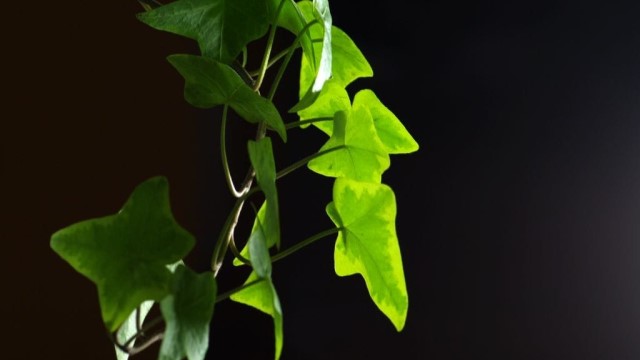
1. Reduce watering:
Cause: Long-term heavy watering can cause water to accumulate in the pot, leading to root rot and an inability to breathe properly, so it cannot absorb nutrients, which causes the leaves to turn yellow.
Solution: The amount of water should be controlled promptly; you can loosen the soil appropriately and place it in a ventilated spot. Usually, also reduce the amount of water.
2. Increase watering:
Cause: If it is fairly short of water or even dehydrated, the absorption of nutrients will be affected, which will also cause the leaves to turn yellow and wilt.
Solution: At this point, water a small amount, and once it recovers, water normally. Normally, when the air is dry, spray more water to raise the air humidity.
3. Reduce fertilizing:
Cause: If too much fertilizer is applied, ivy leaves will become rather thick and fleshy, and will also turn yellow or even drop off.
Solution: At this point, stop fertilizing, then increase the amount of water so the fertilizer can leach out; you can also repot directly and rinse it clean.
4. Reduce light exposure:
Cause: If the summer sunlight is too strong, it can also easily cause the leaves to turn yellow and deteriorate.
Solution: When the summer sunlight is strong, move it to a spot with weaker sunlight; you can cut off the yellow leaves, then give it suitable light, and it will gradually recover.