Which ornamental flowers are suitable for indoor care?
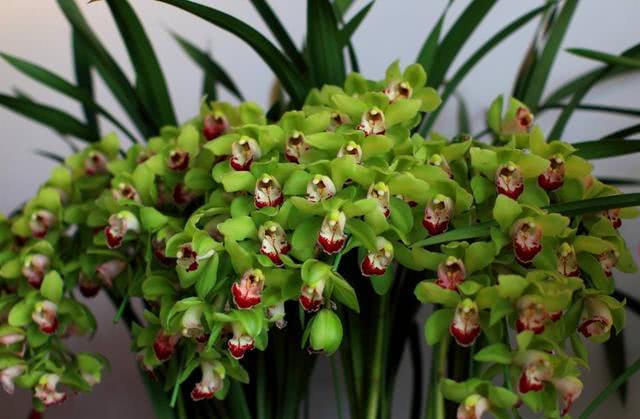
Indoor ornamental plants are plants that can be grown and enjoyed indoors for a relatively long period. Most of these plants originate from the understory of tropical and subtropical regions. They are fairly shade-tolerant and have strong adaptability or tolerance to indoor artificial environmental conditions such as lower air humidity, dim light, poor ventilation and relatively small temperature fluctuations.
As indoor ornamental plants, they must have high ornamental value: a graceful and unusual plant form with a good overall ornamental effect, or beautiful leaf color; the ability to produce beautiful, vivid flowers, with large and showy blooms or a profusion of flowers, or to bear abundant, beautiful and attractive fruit.
Indoor flowers are best non-toxic, free of unpleasant odors, and free of dust or prickles, so as not to have adverse effects on people indoors. Because indoor flowers have the above requirements, plants grown outdoors cannot simply be moved indoors to grow. Indoor flowers differ from flowers grown in the open field, and not all open-field plants are suitable for indoor cultivation and enjoyment.
Indoor flowers generally include: foliage plants (among which are large, medium and small green plants, climbing plants and trailing plants); indoor flowering plants; seasonal potted flowers (moved indoors for enjoyment only when in bloom); fruit ornamental plants; cacti and succulent plants.
Common indoor flowers are mostly found in the following families: Arecaceae, Moraceae, Araliaceae, Liliaceae, Araceae, Begoniaceae, Gesneriaceae, Acanthaceae, Bromeliaceae, Amaryllidaceae, Marantaceae, Asteraceae, Primulaceae, Ericaceae, Orchidaceae, Cactaceae, Apocynaceae, Euphorbiaceae and many ferns.