Small method for converting pennywort from soil culture to water culture: simple operation that does not damage the roots, with lush green leaves
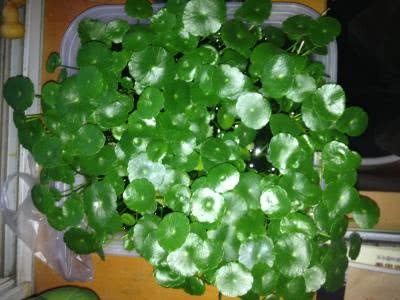
Pennywort (Hydrocotyle vulgaris) is a foliage plant with small, delicate, lush green leaves that are very popular among flower lovers.
Pennywort can be grown in soil or in water, or in a half-soil half-water setup, but many flower lovers still prefer water culture, as it looks cleaner and brighter green. So today Hua'er will introduce a small method for converting pennywort from soil culture to water culture, a simple operation that does not damage the roots.
1. First choose a nice-looking water culture container for the pennywort. The container can be decided according to the size of the pennywort in the flowerpot. Generally, we use tap water as its base liquid. You can prepare the tap water in advance and let it sit in the sun for about half a day, so that gases such as chlorine can evaporate.
2. Remove the pennywort from its pot. Pennywort is a water-loving plant with slender stems, so you can use the soaking method to remove it from the pot. You can put the whole pot into a bucket, then add water and soak for about one hour. After the soil softens, slowly remove it from the pot.
3. The root system of pennywort is quite developed, so you must be patient when handling it. You can gently rinse and flush it with water. During the process, prune away dead branches, broken branches, rotten roots, black roots, and so on, until all the soil is cleaned off. Then disinfect the roots, and afterward place them in a cool place to dry.
4. Pour the previously prepared water into the water culture container, then move the pennywort into the water bottle. Because the root system of pennywort is very soft, use pebbles to help hold it in place, placing it gently to avoid damaging the roots. Then first put it in a cool, ventilated spot, and once the pennywort has recovered, resume normal care.
That is all for pennywort water culture. If flower lovers have other additions, you can share them with everyone in the comment section below. If you want to learn more about flower growing, you can follow Huajianke!