Growing flowers without repotting, no wonder every pot you grow dies
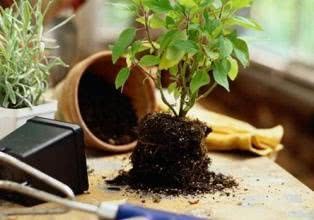
No matter what kind of flower you grow, you have to repot it, there is no negotiating on this, but some flower lovers worry that the plant will have a hard time recovering after repotting, and if you don't repot for a long time you also worry the plant will die. So let's learn the little tricks of repotting
Pot and soil disinfection
Some flower growers, when repotting, just wash the new pot with detergent or clean water and be done with it, but in fact this has no effect at all. Any pot that has been used for growing flowers before must be disinfected before being used again. If it has been used for growing for too long, then you have to soak the pot in clean water for a day to remove the residue in the pot. As for disinfection methods, you can boil it in boiling water, or soak it in a carbendazim solution. To disinfect the soil, you only need to sun the soil for 3-4 days, or you can water it with a carbendazim solution. Doing this not only disinfects but also sterilises, preventing fungal infection of the plants later on
Clogged drainage holes
When choosing soil, choose loose soil with somewhat better drainage. You can ignore the fertility of the soil for now; fertility can be adjusted later with fertiliser. At the very bottom of the pot you can choose some broken tiles, ceramsite, etc., which can enhance the soil's air permeability. You can also mix some coal cinder, river sand, etc. into the soil, as media that help with drainage and have good air permeability
Organic fertiliser
Adding a bit of fertiliser to the soil can promote the plant's recovery, so you need to choose some organic fertiliser. Usually it is best to use rotted organic fertiliser or compost soil. Compost soil is very simple: just collect dried grass, vegetable leaves, fallen leaves, tea dregs, medicinal dregs, etc. as usual, then add some crushed eggshells, fruit peels or dead branches, etc. All of this can make compost. When making it, the bottom of the container must have holes. You can mix in some garden soil and add an appropriate amount of water to keep it moist without waterlogging. Stir it once every one or two weeks, and add some water if it dries out. When the fertiliser soil is dark black, it is ready to use
Rotted organic fertiliser
Rotted fertiliser is the foundation of repotting. When repotting, put a layer of soil at the very bottom of the pot, then a layer of organic fertiliser, then another layer of soil, and then plant the plant in it. This prevents the plant's roots from directly touching the fertiliser. The fertility of organic fertiliser is released relatively slowly, so it is a slow-release type of fertiliser. The above are the tricks for ordinary repotting; old gardeners can just ignore them
People who grow flowers often will definitely run into the problem of soil compaction. Over time the soil becomes dry and hard. In this case people first choose to change the soil, but in this situation the soil is too dry, and changing the soil will damage the plant's root system. So there is a method that lets you avoid changing the soil for now: loosen the soil on the surface of the plant with a small trowel, then sprinkle some unrotted organic fertiliser, spray some clean water on the surface, and the soil gradually loosens while the fertiliser seeps down to the bottom with the water. This can supplement nutrients for the flowers. Using this method once or twice a year is enough; it cannot be used frequently, otherwise it will affect the plants.