Trendy plants look great no matter how you pair them
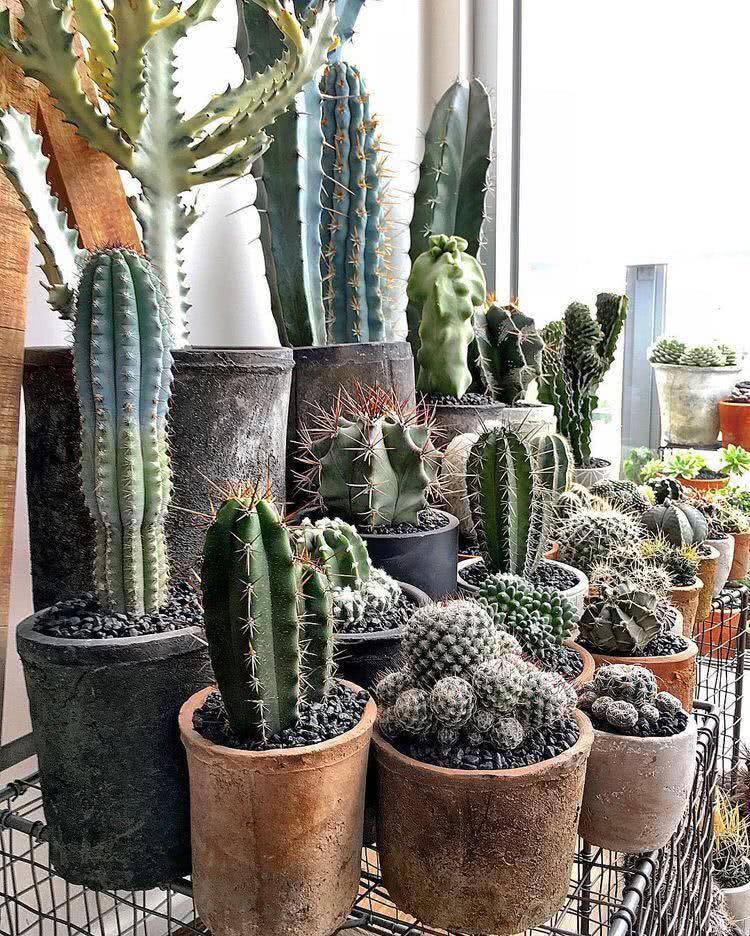
Cacti, of which there are more than 2,000 species in the world, often grow in dry environments such as deserts and are called the "heroic flowers of the desert." They are also considered a type of succulent plant, mainly distributed in the arid regions of South America, Africa, southern China, and tropical and subtropical areas such as Southeast Asia.
The flower language of the cactus is strength. There is a legend about its flower language: at the beginning of creation, the cactus was the most delicate thing in the world. She was as tender as water, and at the slightest touch she would lose her life. God could not bear it, so He added a suit of armor over her heart, hard as iron, with sharp steel thorns that could wound. From then on, no one could see the cactus's heart anymore, and any creature that came near her would be covered in blood. Long afterward, a brave man wanted to destroy this evil thing. As the sword struck, the cactus was split in two, and from within came green liquid. It turned out that this was the sealed heart of the cactus. Because no one understood its loneliness, it turned into drop after drop of tears. Therefore, the flower language of the cactus is - strength.
Cactus plants also come in all kinds of colors. Some are elegantly colored, fresh and tender green, while others have brilliant flowers that win praise. But no matter what form or color a cactus takes, their surfaces are similar: they all have many fuzzy spines, yet no leaves. Why is that? It turns out that the spines on a cactus evolved from leaves. In order to adapt to the dry, rain-scarce desert environment, over the long ages the cactus constantly changed its form. The original leaves gradually evolved into fleshy spines or dense fuzz, forming a weapon that helps the cactus minimize water evaporation and prevent animals from eating it. After the leaves degenerated, the cactus's stem evolved into a thick, water-containing shape that performs the function of leaves, producing nutrients and carrying out photosynthesis in sunlight.
Cacti mostly respire at night when it is cooler and more humid. During respiration, they take in carbon dioxide and release oxygen. Therefore they are called a nighttime "oxygen bar," so placing a few cacti in the bedroom is very comfortable.
When it comes to cactus planters, it really can be said that any planter works, and any planter matches. Several are listed for reference:
1、
Terracotta pot
The best planter for cacti. The strongly contrasting orange-red and green cactus form a vivid contrast, bringing a rich exotic natural style.
2、
Concrete pot
Concrete, rough yet not lacking in texture, paired with a cool cactus, has a very unique minimalist feel.
3、
Woven basket
A cactus paired with a woven basket has a rich Bohemian style and feels very homey.
4、
White porcelain pot
A white porcelain pot is simple and elegant; if you like this style, you can give it a try.
5、
Glass container
Using a glass container to hold a cactus is relatively rare, but don't you think it looks quite good too? If you have good-looking glass cups at home that you no longer use, you can give it a try~
6、
Wooden pot
A very creative DIY wooden stump planter; it looks very good paired with cacti and succulents.
7、
Kraft paper bag
A kraft paper DIY method that I personally really like. Inside can be any planter, and then the outer layer is wrapped in kraft paper, giving it a very artistic feel.
8、
Glass dome
Drawing inspiration from glass domes used for preserved flowers, this is quite an inspired pairing for cacti, but be careful to air out the cactus from time to time~
9、
Brass planter
Brass planters, my beloved. I have to say brass planters are so elegant. The golden tone paired with a green cactus is stunningly elegant!
10、
Other creative DIY planters
You can buy acrylic paint and DIY your planter however you like.
Care methods:Follow the principle of "do not water if not dry; when watering, water thoroughly." In high-temperature summer conditions, the water amount must be sufficient. Morning and evening are the best times to water, and at the same time be careful to avoid pouring water on the body, so as not to leave spots.
—— THE END ——
This article was published by "#Floral Art Design#" on May 13, 2018