Potted plants that release oxygen at night: improve your sleep quality by starting with one plant
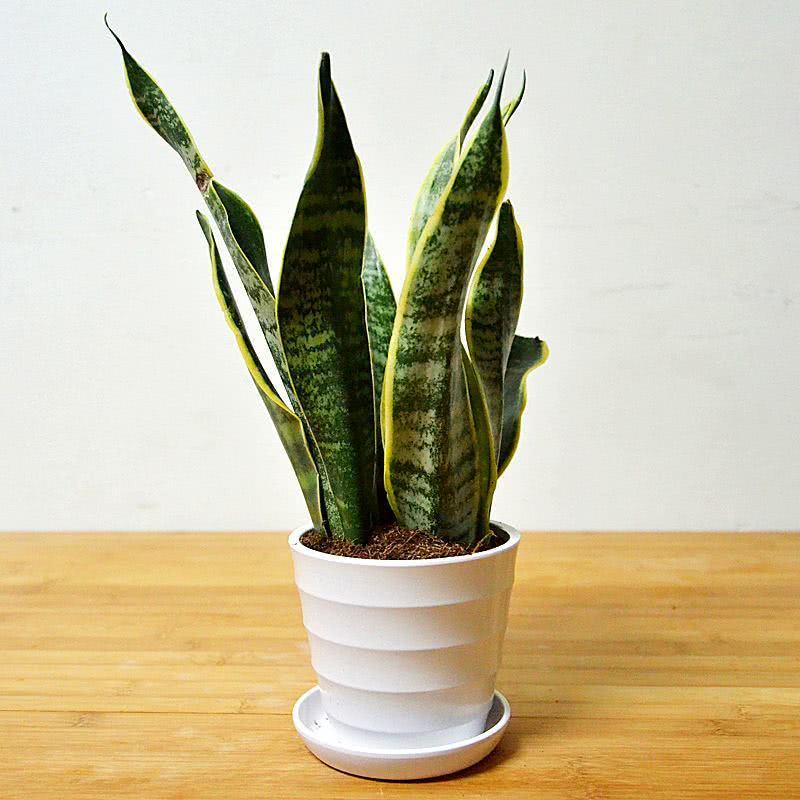
The bedroom is where we sleep. We spend at least one third of our lives in the bedroom. The bedroom is our place for sleep and rest, and it can directly affect our health. Some friends also like to keep a green plant in the bedroom, which has ornamental value and can purify the air. However, when it comes to choosing green plants, there is knowledge involved. You cannot casually choose green plants that compete with people for oxygen.
1. Gold-bordered snake plant
The gold-bordered snake plant can absorb carbon dioxide and release oxygen at night, and it can increase the concentration of negative ions indoors. Negative ions can improve sleep quality. Generally speaking, in a bedroom of about 15 sq m, you can place two or three snake plants, which can remove 80 percent of the toxic gases indoors. It is also a very easy potted plant to care for. Usually keep the potting soil relatively dry. In spring, when the rhizomes sprout small plants, water a little more appropriately to keep the potting soil moist.
2. Kalanchoe
Kalanchoe symbolizes a good life. Its leaves are broad, and it can also absorb carbon dioxide and release oxygen at night. Kalanchoe can also increase air humidity, which can effectively reduce indoor dryness in autumn and winter. Kalanchoe is a succulent plant with a relatively high water content in its body, so it is fairly drought-tolerant and afraid of waterlogging. During the growing period, kalanchoe needs pinching to encourage branching, which can make it produce more flowers.
3. Lavender
Lavender can relieve headaches and help with sleep. Keeping it in the bedroom can make the bedroom fresher and also effectively improve our sleep quality. Lavender does not like water accumulating at the roots. After watering thoroughly, wait until the soil dries out before watering again. Generally, lavender needs pruning in spring. Be careful not to cut into the woody part, to avoid weakening the plant.
4. Cactus
Cactus can also absorb carbon dioxide and release oxygen at night, which can increase the oxygen content in the bedroom and improve our sleep quality. Cactus can also absorb formaldehyde from the air and adsorb dust. Cactus should be placed on a south-facing windowsill as much as possible for care. More sunlight can help cactus grow better.
5. Jasmine
Some experts' research shows that jasmine is a natural sleep aid. It can improve our sleep quality and also reduce anxiety and improve our mood. Jasmine is not drought-tolerant and even less tolerant of waterlogging. Midsummer is the peak growing season for jasmine. Apply a little more organic fertilizer and phosphorus-potassium fertilizer, twice a month is enough. This can ensure that jasmine has lush branches and leaves and many flowers. However, avoid applying too much nitrogen fertilizer. Focusing on phosphorus-potassium fertilizer can promote flower buds and blooming.