Remember four points in orchid and clivia care, and they won't die but will only get better
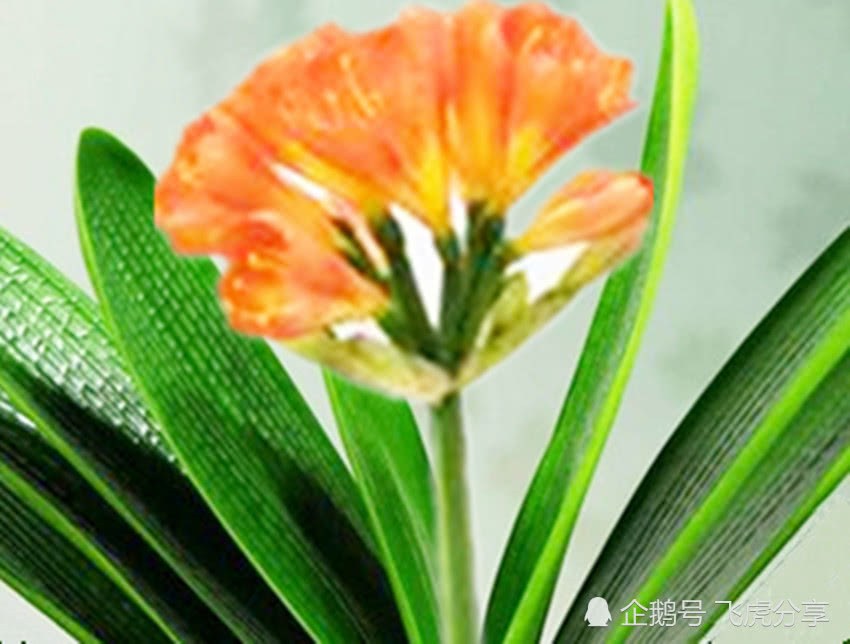
Many flower lovers' orchids and clivias either die from root rot or have yellowing leaves and branches, or else bloom little or not at all. These problems are all caused by not mastering the key points in everyday care. Today let's see which things you've been doing wrong in care? Correct these wrong practices, and you'll never kill your flowers again, and they'll only get better the more you grow them.
1. Using the wrong growing medium. Orchids and clivias are fleshy-rooted plants, and their characteristic is that they need high air permeability. If the medium used is too sticky and poorly aerated, their growth will be hindered, and in severe cases the roots will rot and the plant will die. This is one of the main reasons orchids and clivias are not grown well. Therefore, when growing orchids and clivias, you must choose loose, breathable leaf mold, special-purpose soil, or a mixed medium, and you cannot substitute ordinary soil just for convenience and to save effort. This is the most important point in growing flowers, and not a single bit of it can be treated carelessly.
2. Watering at random. Some novice orchid growers, eager to love their flowers, always fear the flowers will dry out and die, and want to water as soon as they see them, sometimes watering several times a day. As a result, yellow leaves, leaf drop, root rot, and death occur. Therefore, when watering orchids and clivias, first check whether the medium is dry or wet. Water when it is dry; if it is not dry, wait another two days. Don't be impatient; be patient and give water moderately and in the right amount, and only then can they grow healthily and vigorously.
3. Fertilizing too heavily. Novice flower growers all share a common phenomenon: in order to make their plants grow well and fast, they use large amounts of all kinds of fertilizers, and some growers simply don't know how to fertilize at all, relying entirely on their own feelings. As a result, leaves and branches turn yellow, growth is slow, and roots even rot. Therefore, fertilizing must be timely and moderate. You can neither apply too much nor too often, and you cannot use raw fertilizer or concentrated fertilizer. Light and thin is best.
Besides the above key points for growing them, when growing orchids and clivias at home, you must find ways to increase the air humidity around them and provide a well-ventilated environment, and give appropriate light according to their habits. Only then can they grow fast, have vigorous leaves and branches, and bloom abundantly.