Grow your ZZ plant this way for thick, glossy leaves and the meaning of rolling in wealth
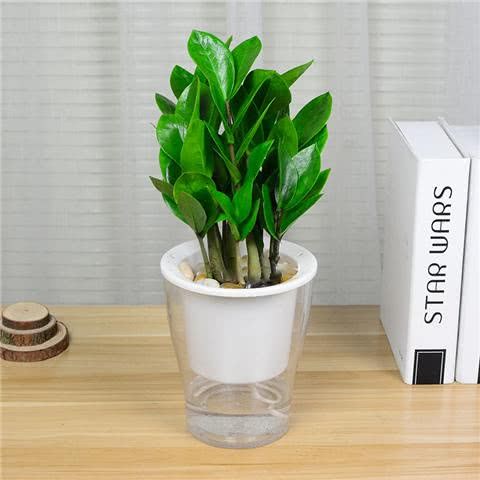
The ZZ plant symbolizes bringing in wealth and treasures, and glory and prosperity. It has a vigorous, upward vitality and a lush, dripping-green energy. The thicker, larger and greener the leaves, the better the wealth luck. So how do you grow a ZZ plant at home?
How do you care for a ZZ plant?
(1). Soil: It needs sandy soil with good drainage. You can use leaf mold soil : river sand, mixed at a ratio of 1:1 to make the growing medium.
(2). Watering: The ZZ plant is fairly drought-tolerant. When the temperature is above 30°C, spray water daily, and keep the potting soil slightly moist but leaning dry. In winter, reduce watering in August to September, and the potting soil must not be too moist. In summer, you can spray water around the leaves to maintain humidity.
(3). Fertilizing: The ZZ plant is a fertilizer-loving plant. In spring and autumn, apply a 0.1% potassium dihydrogen phosphate solution once every 2 months. During the growing season, fertilize once a month. In winter, when the temperature is below 15°C, stop fertilizing so it can get through the winter smoothly.
(4). Temperature: The ZZ plant's growing temperature is 20°C~32°C. In summer, when the temperature is above 35°C, growth slows, so it needs appropriate shading and frequent spraying. In winter, the temperature should be kept above 10°C. Below 5°C, the plant is prone to cold damage.
(5). Light: The ZZ plant is fairly shade-tolerant. Place it in a spot with diffused light; generally, placing it in the living room is enough.
(6). Pruning: Cut off all clustered branches, inward-growing branches, crossing branches, parallel branches, overlapping branches and leggy branches. You can keep 1~2 branches, which can be used for shaping and pruning.