Flowers suitable for balcony cultivation, making your home balcony come alive
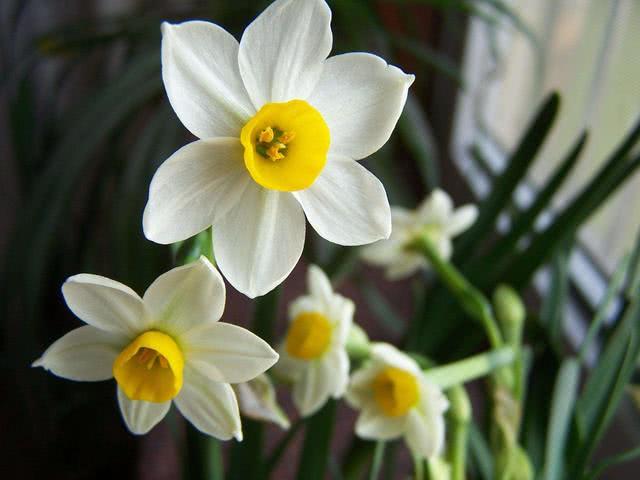
These days more and more people love growing flowers, and those who love flowers always grow some on their balconies, because flowers on the balcony make it full of life, and fragrant flowers also make the balcony wonderfully fragrant, which is really nice. But everyone knows that not all flowers are suitable for balconies, and balconies facing different directions suit different flowers. So it is very important to understand which types of flowers suit your own balcony.
Because balconies differ in position, direction and shape, the flowers you grow will also differ. Below, let's introduce what kinds of flowers are suitable for balcony cultivation.
Flowers suitable for a south-facing balcony
A south-facing balcony generally gets fairly ample sunlight, with relatively long light hours and good ventilation. In short, a south-facing balcony is better suited to growing flowers that love sunlight and are fairly drought-tolerant, so the flowers can receive sunlight for a relatively long time, which benefits their growth.
And most of the flowers we usually grow are said to like sunlight and are fairly suited to a south-facing balcony, such as night-blooming jasmine (Cestrum nocturnum), jasmine (Jasminum sambac), Chinese rose (Rosa chinensis), geranium (Pelargonium), chrysanthemum, cactus, begonia, nasturtium (Tropaeolum majus), poinsettia (Euphorbia pulcherrima), coreopsis, petunia and so on - all of these are very suitable for growing on a south-facing balcony.
Flowers suitable for a west-facing balcony
A west-facing balcony gets no sunlight for most of the day, and only in the afternoon does sunlight shine in. But in summer the afternoon sun is very strong and the balcony gets quite hot, so when growing flowers on a west-facing balcony you need to consider its light exposure more carefully.
For a west-facing balcony, it is generally best to choose flowers that are not afraid of strong sunlight, such as wisteria (Wisteria sinensis), morning glory (Ipomoea), cypress vine (Ipomoea quamoclit), honeysuckle (Lonicera japonica) and so on. These flowers are all fairly suitable for a west-facing balcony, and some of them can also shade the west-facing balcony, thereby lowering the indoor temperature while adding greenery to the balcony - killing two birds with one stone.
Flowers suitable for a north-facing balcony
The biggest feature of a north-facing balcony is that it sees relatively little sunlight throughout the four seasons of the year; comparatively speaking, a north-facing balcony sees a bit more sunlight in summer. So a north-facing balcony is generally more shaded and cool than a south-facing one, and the flowers grown there should be completely the opposite of those for a south-facing balcony.
For a north-facing balcony, it is best to choose flowers with good shade tolerance and cold tolerance, such as lucky bamboo (Dracaena sanderiana), asparagus fern (Asparagus setaceus), split-leaf philodendron (Monstera deliciosa), spider plant (Chlorophytum comosum), Christmas cactus (Schlumbergera), broadleaf lady palm (Rhapis excelsa), cast-iron plant (Aspidistra elatior) and so on - these flowers are all fairly suitable for a north-facing balcony and can grow quite well there.
Flowers suitable for an east-facing balcony
An east-facing balcony generally gets sunlight for a period in the morning, and for most of the rest of the day there is little sun, so when growing flowers on an east balcony you should choose flowers that are relatively shade-tolerant and do not need very long exposure to sunlight. In winter, with little light, an east-facing balcony will be fairly cold, so the flowers grown there also need relatively strong cold tolerance.
For example, clivia (Clivia miniata), orchids (Cymbidium), spider plant (Chlorophytum comosum), money tree (Pachira aquatica), Brazilian ironwood (Caesalpinia ferrea), azalea (Rhododendron), asparagus fern (Asparagus setaceus) and other fairly shade-tolerant flowers are all suitable for growing on an east-facing balcony.