To make your Phalaenopsis bloom better, use these few cuts. New shoots keep sprouting, and the flowers never stop blooming.
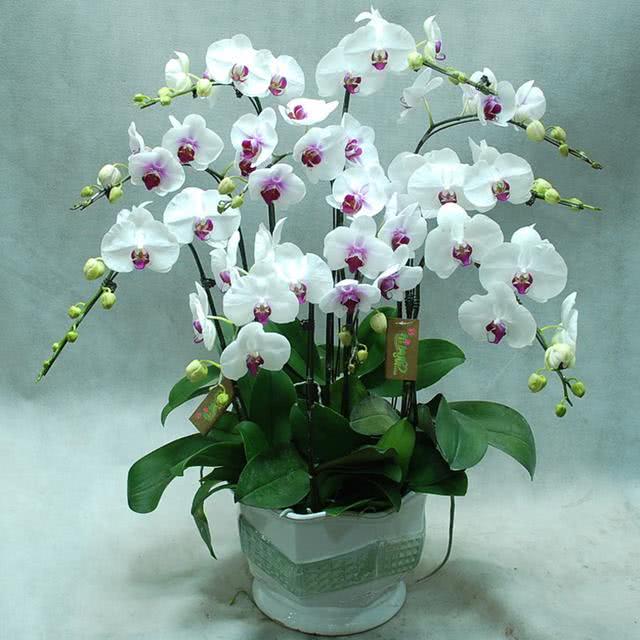
Phalaenopsis is an epiphytic orchid with a short stem that is often wrapped by the leaf tips. The inflorescence grows laterally from the base of the stem and can reach up to 50cm long, keeping the flowers and leaves separated. It is a very unique flower and has been deeply loved by flower enthusiasts in recent years.
To make your Phalaenopsis bloom better, remember to use these few cuts. New shoots keep sprouting, and the flowers never stop blooming.
1. One cut before flowering
When Phalaenopsis is in its flowering period, if you want it to produce more flower buds and bloom more flowers, you need to cut off the older leaves and thinner stems before it blooms, and also cut off the smaller, thinner buds and those damaged by pests and diseases. This way, the nutrients can be concentrated for supply.
2. One cut after flowering
After the flowers fade, cut them off promptly to prevent it from producing seeds, which would consume too many nutrients and be detrimental to the continued growth of the Phalaenopsis and its next bloom, and could very likely cause the entire plant to wither.
You can cut from the base of the flower stalk, and before long new flower branches will sprout again, which also promotes the growth of side shoots.
3. One cut for the roots
The root system of Phalaenopsis is quite developed and grows very fast, so it needs root pruning and repotting every year. After taking it out of the pot, remove all the soil, then use sterilized scissors to cut off all the rotten roots, dead roots, black roots, etc. If the root system is dense, you can also appropriately trim some of it.
After pruning, treat the wounds, then place it in a cool, ventilated spot for about one hour, and it can be replanted.
Phalaenopsis does not particularly like light. Usually you can place it in a semi-shaded environment, where it is best for it to receive some scattered light. Each time you water, water thoroughly, and there must be no standing water, otherwise it will cause root rot. During the growing period, you can apply some diluted nitrogen fertilizer, and during the flowering period, apply some organic nutrient solution containing phosphorus and potassium fertilizer.
That is all for the care of Phalaenopsis. If you have other tips to add, feel free to share them with everyone in the comments section below. If you want to learn more about flower care, you can follow Hua Xiansen!