Grow petunias this way for an easy, overflowing pot - just a few plants can fill your balcony with blooms
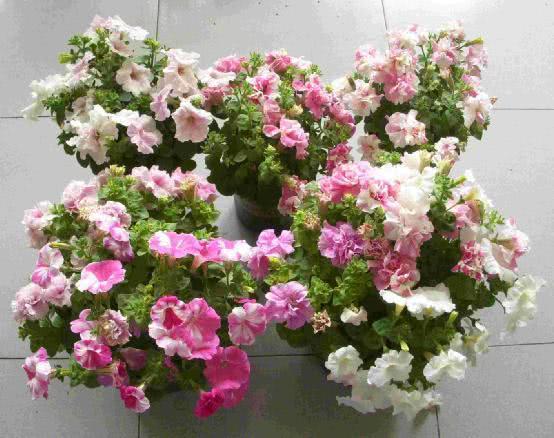
As one of the most ornamental plants of summer, petunias are the top choice for many flower-growing friends to plant in summer. People often say petunias are easy to grow and quick to show results, and that is true, but to truly achieve a "sea of flowers," we really do need to put in some effort. So how exactly should we do it? Here is the full load of practical tips for you!
Sowing has its rules We often say you should "start young," and in petunia growing that means paying close attention to the sowing stage. Generally speaking, the key to sowing lies in the choice of soil, and peat is a good choice. Of course, if conditions allow, it is best to add some perlite or vermiculite to increase air permeability, so that the peat's water retention does not yellow the petunia's stems and leaves. Petunia germination needs sunlight, and an indoor south-facing windowsill is a good spot.
Watering and light Watching the petunia sprouts you worked so hard to raise grow stronger bit by bit, I believe every flower friend reading this must be happy, but you cannot just sit back and enjoy it - light and water are the top priorities at this stage. Petunias love water, and only when they have drunk their fill can they withstand the sun. But do remember, sun exposure is a must; only when all four true leaves of the petunia receive enough sunlight can it grow more luxuriantly, and as for overflowing the pot, that will come naturally.
Fertilizing Petunias are a plant that greatly loves fertilizer, and whether or not you fertilize has a big impact on the final bloom. According to the introduction of experienced flower farmer uncles, petunias need different fertilizers at different stages. Simply put, seedlings are prone to yellowing from iron deficiency, so apply iron-containing fertilizer but be sure to dilute it with water. During the rapid growth period, pay attention to balanced nutrition; farmyard manure, cake fertilizer, chicken manure, kitchen waste compost and so on are all fine, but it is still best to apply additional fertilizer as appropriate according to the specific situation.
Pesticides Many flower friends may encounter infestations of whiteflies and leaf miners while growing petunias, and once you notice such symptoms, please promptly use the corresponding insecticide. But do be careful, because the insecticide itself may cause some harm to the plant, so proper dilution or reducing the dosage is a good choice.
Pinching To grow petunias is to watch them become a lush ball of flowers, and if you want them to grow into a flower ball, the necessary pinching work is indispensable. Pinching, plainly put, is a kind of branch pruning, and when applied to petunias, it must emphasize one word: "ruthless." Do not hesitate - cut evenly along the edge of the pot; you cannot catch the wolf without sacrificing the child. When you see a full ball of flowers, you will naturally thank yourself for today's cruelty.