Hydrangeas grow into a full pot but refuse to bloom? 4 tips to solve it
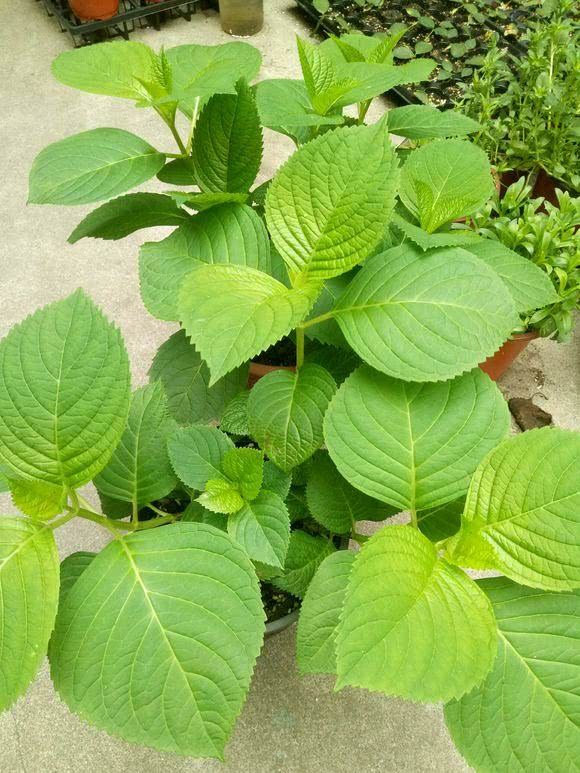
Summer is coming soon, the south is already basking in bright sunshine, and the furnace-like days will arrive before long. If you still have not seen a single flush of hydrangea blooms this year, then it is time to learn properly. Your hydrangea at home has not bloomed for over a year, only growing leaves. See how veteran growers explain it.
Hydrangeas bloom from April to June and bear fruit from July to August. New seedlings generally do not bloom in their first year, only in the second year. Also, you must not cut off the old branches, because some varieties bloom mainly on old branches, while some bloom on new branches as well, so be especially careful when pruning.
Reasons hydrangeas do not bloom
Too much nitrogen fertilizer
Hydrangeas need not only nitrogen fertilizer to bloom, but also phosphorus and potassium fertilizer. With only nitrogen fertilizer, the plant grows vigorously but simply does not bloom, so phosphorus and potassium fertilizer must also be added to promote flower bud differentiation. In autumn and winter, daylight hours are short and hydrangeas grow slowly. If nitrogen and phosphorus fertilizer are applied excessively, it causes nutrient excess in the plant, which instead makes flower bud differentiation harder and affects blooming the following year.
Solution: You can buy ready-made organic fertilizer, fermented purely from plants, rich and balanced in nitrogen, phosphorus and potassium, and also rich in trace elements, to promote rapid hydrangea growth, strong plants and abundant blooms.
Insufficient light
Hydrangeas generally grow in semi-shaded environments and are fairly shade-tolerant, but to bloom abundantly they still need a suitable amount of light. Otherwise the branches tend to grow leggy and the leaves become lush, consuming more nutrients, which affects hydrangea flower bud differentiation and causes no blooming, or very few flowers, while the leaves grow lush and green. Especially in winter, when light is relatively weak, there is no need to avoid direct sunlight.
Too many hours of light
Hydrangeas grow in semi-shaded environments and need a certain amount of light, but the light must not be too strong. If grown indoors, do not leave the lights on at night, because too many hours of light will affect flower bud differentiation and make blooming difficult. The maximum light duration must not exceed 10 hours, otherwise it will affect blooming, leading to no flowers, or few flowers.
Improper pruning
Many hydrangeas do not bloom on new branches, but on old branches. If you accidentally prune away the old branches, they will not bloom the following year. Also pay attention to pruning after flowering, keeping 3-4 buds on each branch and cutting off all the rest. The best time for pruning is generally late August to early September, otherwise it easily affects the next year's flowers.
Wintering temperature too high
Hydrangea flower bud differentiation requires cold treatment. When the temperature is above 10°C, it is not very suitable for hydrangea flower bud differentiation. If the temperature is above 18°C, it will basically not bloom.