Vegetable farming carries high risks; diversified planting is more reliable
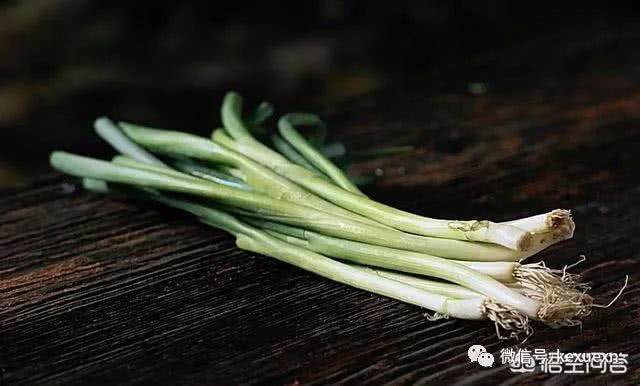
A netizen asked: I've raised scallion seedlings for a thousand mu, ready to go all in. What will the market be like after autumn? Actually, for such a large amount of scallions, I personally feel it's necessary to re-examine this question. It has little to do with price; I'll only consider this question from the perspective of agricultural planting risk.
First, regarding the question itself: does "raising seedlings for a thousand mu" mean actually cultivating scallion seedlings for a thousand mu, or cultivating seedlings for a thousand mu of scallion planting area? But from either angle, this question is quite alarming. A thousand mu of land alone makes you a large-scale grower, and moreover one with considerable financial resources. That is to say, no matter how you plant, your investment cost will be a huge sum. In that case, whether you're investing with borrowed money or your own funds, don't you think the risk is a bit high?
The volatility of the market has made a batch of tycoons rich overnight, but it has also ruined a batch of investors overnight. We must have a clear understanding of the future market. If you can't recognize this, then your planting is highly blind, even gambling in mentality. This is truly inadvisable. Haven't you heard that the biggest taboo in investment is "putting all your eggs in one basket"? So for the questioner's situation, Science Farming suggests adopting a block-planting approach: divide the field into multiple planting zones and grow different vegetable crops in different zones. This way, your returns will be more secure.
After all, scallions, as a vegetable crop, have particularly large market volatility. This year's garlic planting is a very obvious example: garlic that had a booming market price in 2015/2016 has become unwanted this year, and many farmers even leveled their garlic before harvest to rush in the next crop.
Therefore, for large-scale planting of a single crop, I suggest actively seeking food processing enterprises that can absorb such a huge volume, signing order contracts with them, and adopting the enterprise + farmer order model, to minimize investment and planting risks and achieve stable planting returns.
The above is a little perspective shared with you by Science Farming. I hope it's helpful to you.