Pay attention to pepper rot: solve the problem by watching out for these issues
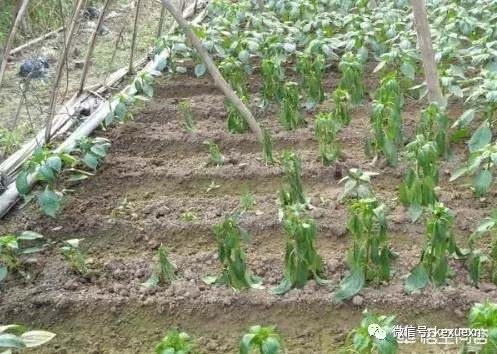
If peppers show signs of rot, you must pay close attention, because it is very likely that pepper blight has occurred. Pepper blight is what we often call "pepper rot", and sweet peppers are especially prone to this disease, and it spreads quickly, very easily causing large-scale damage to pepper fields. Here I will share with you the problem of pepper rot.
1. Characteristics of pepper rot
Pepper rot is pepper blight. Peppers affected by pepper blight mostly show dark green patches that look water-soaked. This disease can occur throughout the entire pepper growing process. When pepper seedlings are infected, the base of the main stem generally becomes water-soaked, the branches turn dark green and soft and rotten, until the pepper plant lodges and dies. When adult pepper plants develop the disease, it mostly shows as dark green water-soaked spots on the leaves and stems, with oily green leaves and soft, rotten, oozing stems; in severe cases, white fungal spots appear. Flowers and fruits can also be infected: pepper buds drop off, and pepper fruits darken in color and become soft and rotten. This seriously affects pepper yield.
2. Causes of pepper rot
Pepper blight is caused by fungal infection. The pathogen can survive for a long time and will invade peppers once the environment is suitable, causing pepper blight. It is especially likely to cause pathogen invasion when the temperature in the pepper planting area is around 20-plus, the air humidity is around 90%, and the peppers are growing weakly with poor disease resistance. In addition, continuous cropping, that is, continuously planting crops that are relatively susceptible to this disease, such as zucchini, eggplant, soybean and other crops, allows the pathogen to parasitize in large numbers. Improper fertilization, especially when some manure and cake fertilizers are not fully decomposed, leads to soil bacterial growth, and flood irrigation causes root rot, all of which will worsen pepper infection with this disease.
3. Treatment methods for pepper rot
For peppers that have already developed the disease, measures must be taken promptly to prevent the disease from spreading. If it is in the early stage, first spray the affected parts with 58% metalaxyl mancozeb wettable powder at 600 times dilution, and also spray the soil surface, about 3 times in a row, with an interval of about 4 days each time.
If the disease is found when peppers are adult plants, the diseased plants must be removed promptly, and lime powder should be scattered in the root soil of the removed peppers. Then spray the pepper plants with a 500 times dilution of 75% chlorothalonil, and carry out the next spraying after an interval of one week, for 3 times in a row.
4. Prevention methods for pepper rot
Pepper rot should mainly be prevented, because the rot disease spreads relatively quickly, and once blight occurs, it is very difficult to bring the situation under control.
Seeds: Buy seeds through proper channels, then disinfect them. You can soak them in 10% formalin for about half an hour.
Land: Land cultivation should be organized with reasonable crop rotation, avoiding continuous cropping and reducing pathogen attack. Continuous cropping avoidance is not only about avoiding continuous pepper planting, but also about avoiding continuous cropping with solanaceous crops, soybean, cucumber, scallion and so on.
Irrigation and drainage: Avoid flood irrigation. In wet and rainy weather, drain water promptly to avoid high-temperature waterlogging in the field, which causes roots to rot.
Fertilization: Fertilize reasonably. Farmyard manure must be fully decomposed to avoid burning roots. In addition, apply nitrogen, phosphorus and potassium reasonably to avoid phosphorus and potassium deficiency in the plot.