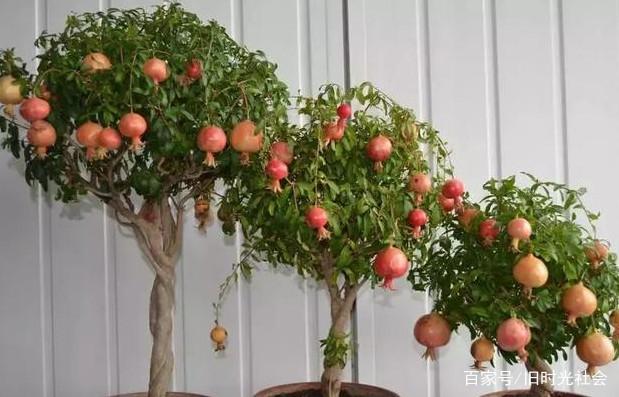
How to grow potted pomegranates so they bloom and fruit more easily? Pay attention to these points
Below are small desserts made with pomegranate. Each pomegranate seed is as ordinary as a ruby. Very tempting, isn't it?
I like peeling pomegranates, eating the glittering seeds, eating them. If you like, you can grow a tree in the exam.
1. Pomegranate planting
1. Variety selection
Pomegranate is a small tree, and tall ones can grow to more than 2.5 m, while dwarf types are usually about 1 m long, very suitable for potting or growing on a small balcony. In summer they have a beautiful orange flower.
If you want to grow them from seed, it will take more than 4 years to get fruit, and the fastest takes more than 3 years.
2. Pomegranate seedlings
It is best to go to a local nursery to buy some pomegranate seedlings, so that it is sure to be effective, ensure the variety, and enjoy the pomegranate; otherwise it is ineffective; some are potted varieties.
If your partner has a pomegranate tree, then you can cut off a 25 cm branch, cut it into two sections, dip it in some rooting powder, remove the lower leaves, and start cuttings propagation, which as usual will stop within 3 to 4 months.
3. Maintenance position
Pomegranate trees really like sunlight. Full sun is necessary for flowering and fruiting, while potted plants should be slightly shaded in summer.
4. Excellent soil selection and drainage
Pomegranate trees cannot be kept in wet soil. They like sandy soil with good drainage, and of course, small sandy loam is best. Pomegranate can grow in neutral or alkaline soil, but it is not good.
5. Points to note
Pomegranate likes a warm and monotonous environment, but strong wind must also be suppressed for pomegranate. Branches will break at will, so do not leave it in a wet and shady corner.
6. Seedling planting
Seedlings can be raised in early spring. If you buy seedlings at a nursery, they are also planted in spring after it warms up. First, loosen the soil; fine sand and some base fertilizer are best.
2. Daily maintenance
1. Pay attention to water
After the first watering, water once every 7 to 10 days. To control soil moisture buildup, you can properly spray water onto the leaves for the first two days to promote the sprouting of new leaves.
2. Reasonable fertilization
March, May and September, these are ideal periods for fertilizing. In the first year it must be thin (normal concentration is 1/3), and concentrated fertilizer cannot be given. Ammonium sulfate fertilizer is a suitable pomegranate fertilizer. After the third year, it can be supplemented slightly.
3. Roots and weeds
Real-time root cutting around weeds can cover the soil around them, maintain moisture, and at the same time prevent weeds from growing too long.
3. Pruning and maintenance
Pruning a pomegranate tree is not only for a beautiful appearance, but is also the key to preventing pests and diseases and making it bloom.
If you want the pomegranate tree to have an elegant rather than unsightly plant shape, after it warms up in spring, it still needs pruning, and the dead branches and weak branches should be cut off.
4. Pest and disease control
Remember not to pour too much water, otherwise mold will grow at will, and the worms are the dangers of aphids and butterflies.
You can go to a gardening store to buy something for aphids, and kill butterfly and moth larvae. They eat the leaves. (Butterflies are harmless to pomegranate trees.) If there are only a few, consider the coexistence of butterflies and pomegranates.