Grow spider plants a different way: wide, large leaves with alternating yellow and green, just sit back and wait for them to fill the pot
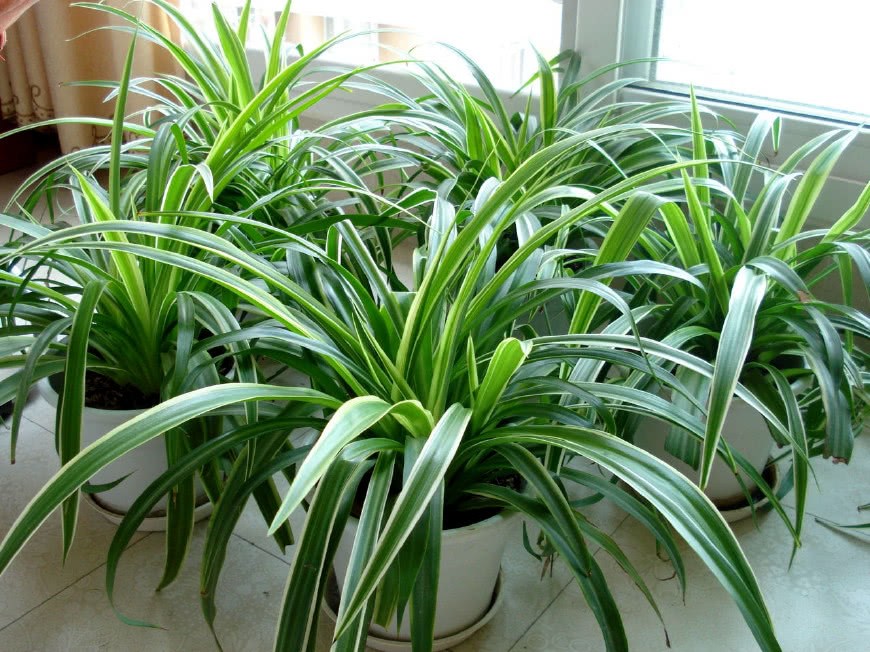
Spider plants are extremely versatile green plants. They stay green all year round, with lush, emerald leaves, making them an ideal potted plant for decorating the home. They can also absorb toxic gases such as formaldehyde. Putting one spider plant in your home is like putting in an air purifier. A spider plant costing ten yuan a pot is worth as much as an air purifier costing several hundred yuan - isn't that a great deal?
When growing spider plants (using the variegated spider plant as an example), many gardening friends leave comments saying theirs are always sparse and scraggly, with yellowing leaves. So try growing spider plants a different way: wide, large leaves with alternating yellow and green, and just sit at home waiting for them to fill the pot!
Although spider plants can adapt to semi-shaded environments, in a spot with ample sunlight their leaves will be more tender and emerald green, with more tender yellow edges. In a semi-shaded environment, although they will still grow, they will not be as lush.
Also, when potting up a spider plant, it is recommended to choose a somewhat deeper flower pot. You can place one third of the pot's volume in expanded clay pebbles or larger stones at the bottom to improve drainage. Spider plant roots are very prone to rot, and this step will greatly reduce the chance of rot.
Also, to make future care of the spider plant easier, you can add decomposed organic fertilizer to the soil, such as decomposed sheep manure, decomposed chicken manure, bone meal and so on. All of these can provide the spider plant with ample nutrients and let it grow vigorously.
If you have already put some organic base fertilizer in the potting soil but it is still growing slowly, during its growing season you can bury a few granules of slow-release compound fertilizer into the soil as a top dressing, which will speed up its growth.
When watering spider plants, generally water only after the soil has dried out completely. Don't be too eager with your hands; people who are too diligent often fail to grow them well, and it easily leads to root rot in spider plants.
To protect the spider plant, it is recommended to hang it or place it up high, so that after it grows flower stems they can drape down naturally, making it even more beautiful and attractive!
A single large spider plant's flower stem will produce many small spider plantlets, and these plantlets can all be potted up and propagated, so turning one pot into 100 pots is not a dream!
That's all for today's sharing!
You are welcome to leave a comment and share more gardening experience!
If you like the editor, remember to follow!