Watermelon bacterial fruit blotch causes serious damage; find out the causes and take prevention and control measures
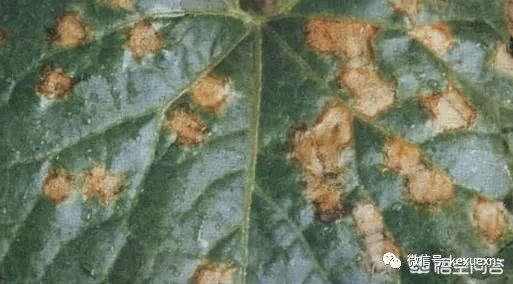
Bacterial fruit blotch of melon is a relatively common disease of melon, watermelon, cucumber and others. Once a melon is infected with bacterial fruit blotch, it is very difficult to cure. As things stand, the best approach is to do a good job of prevention in advance. Here Science Xingnong shares with you some tips on how to prevent and treat bacterial fruit blotch of melon.
1. Characteristics of bacterial fruit blotch
Melon can be infected with bacterial fruit blotch throughout its entire growth period, and there are many parts susceptible to infection. For example, the cotyledons of melon: after the cotyledons are infected with the disease, water-soaked yellow spots appear, and the spots also spread to the true leaves of the melon, forming large water-soaked yellow patches. In severe cases, white pus-like secretions appear on the spotted areas. In addition to leaf infection, the vines can also be affected, with symptoms similar to those on the leaves. The flowers can also become infected. However, the most common symptom is fruit infection; after the fruit is infected, it causes internal rotting of the fruit, dripping of liquid, and the formation of holes on the melon surface, seriously affecting growers' income.
2. Transmission routes of bacterial fruit blotch
Understanding clearly how the disease spreads is helpful for strengthening prevention and control. First is where the bacteria survive: the pathogen mainly exists in soil and on seeds, and the pathogen can survive the winter and only become active the following spring. Next is the suitable environment for the pathogen to survive, which is mainly in greenhouses or melon seedling grafting sites. Because these environments have relatively high temperatures, high humidity, and cut wounds on the melon seedlings, they are very suitable for the pathogen to invade. In particular, some grafting sites do not carry out disinfection and sanitation work properly, and the utensils, knives, and personnel hygiene used for grafting are not up to standard, making it very easy for the pathogen to spread rapidly.
3. Prevention and control of bacterial fruit blotch
Healthy, sterile seeds: seeds are the first step to growing melons well, so when purchasing seeds, be sure to buy from reputable sources. In addition, before planting, the seeds must be disinfected to prevent the pathogen from breeding. The disinfection method can use warm water soaking; generally soaking in warm water at about 50 degrees for about 30 minutes can effectively reduce the survival of the pathogen. Finally, seed production companies should strengthen sterile breeding work.
Field prevention and control: during the growing process, pay attention to planting density and avoid planting too densely, which affects vine growth. The soil is best kept dry to avoid pathogen breeding, and the vines should be kept ventilated and breathable. Avoid flood irrigation, do a good job of field drainage, and drain promptly in heavy rain to avoid water accumulation in the field. During routine field management, try to avoid causing damage to the vines.
Medication: once the disease occurs, chemical suppression must be carried out promptly. You can use a 500-fold diluted solution of 20% bismerthiazol wettable powder, a 4000-fold diluted solution of agricultural streptomycin, or 60% baijuntong wettable powder, etc. Spray once a week, about three times in a row. Ordinarily, you can spray some chlorothalonil, benomyl, metalaxyl mancozeb wettable powder, etc., to disinfect and prevent the pathogen from breeding.
The above answers about bacterial fruit blotch of melon are original from Science Xingnong, and we hope they are helpful to you.