Fruit tree branch bending has many benefits: master these techniques to help you increase yield and income
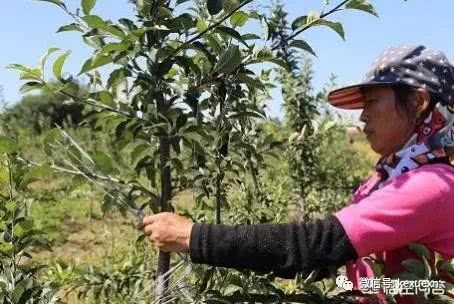
Bending the branches of fruit trees is a profound subject. Bending fruit tree branches can increase light exposure, adjust tree shape, improve ventilation, and raise the fruit set rate. Here we will share with you the issues about bending fruit tree branches.
1. The role of bending fruit tree branches
Bending fruit tree branches can encourage the branches to receive even light, especially the base of the branches. If branch bending is not carried out, the base of the branches receives very little light, which easily leads to later flower bud differentiation. The tree shape also grows at random, which does not meet the requirements of intensive orchard planting. Reasonable branch bending can adjust the growth of fruit trees in time, help the branches receive light, and increase the fruit set rate.
2. The timing of bending fruit tree branches
Timing: Bending fruit tree branches requires good timing, generally carried out in late spring in March or April, or in late summer in August or September. At this time the fruit tree branches are still relatively soft and highly pliable. If branch bending is done in winter, the branches are relatively brittle and prone to breaking. In summer the fruit trees grow vigorously, and after bending, new branches grow out again, so the effect of bending is not obvious. Late spring and late summer are the two most suitable periods. In addition, of the two, late summer is slightly better, because bending in late summer helps accumulate nutrients and promote flowering the following year.
3. Branch bending methods
The technical requirements for bending fruit tree branches are relatively high, so this requires the accumulated experience of the fruit grower. Branch bending needs to take the fruit tree variety into consideration; you cannot bend branches too arbitrarily. In addition, branch bending should also be carried out according to the age of the fruit tree. When the tree is about one year old, you can carry out branch bending on the auxiliary nourishing branches. Generally, when the tree reaches 2 to 3 years old, carry out branch bending on the main branches and side branches, because at this time the height of the fruit tree is relatively suitable, and it will not affect the formation of the tree canopy, and it is also beneficial for fruiting.
Besides the issues of fruit tree variety and tree age, fruit growers also need to consider the branch bending tools during the process. Many fruit growers are very casual when bending branches, and the bending tools are also very unreasonable. For example, using relatively thin rope for branch bending may cause the bending line to become embedded in the fruit tree, affecting the normal growth of the fruit tree. You can use relatively wide cloth strips or straw rope and other branch bending tools, and remove the bending rope promptly after the branch shape is set, to prevent embedding.
In addition, handling the bending angle is also very important. Generally, branch bending needs to be carried out according to the condition of the fruit tree, usually forming a staggered, well-arranged effect so that the fruit tree branches receive even light. The smaller the tree canopy, the larger the opening angle of the main trunk branches should be during branch bending. The higher up the branch, the larger the opening angle of the branch should be.