5 potted plants suitable for the office desk, radiation-proof and mood-improving
The office is where everyone works, and also one of the places where we spend the most time in our lives. Therefore, to improve mood and increase work efficiency, many friends like to place some potted plants on their desks. Because the structure of an office is relatively enclosed, plants cannot carry out normal photosynthesis, so you can choose some shade-loving, tenacious green plants. So, which potted plants are suitable for placing on the office desk? Below we introduce some potted plants suitable for the office desk, hoping to help everyone! Let's take a look together.
Boston fern
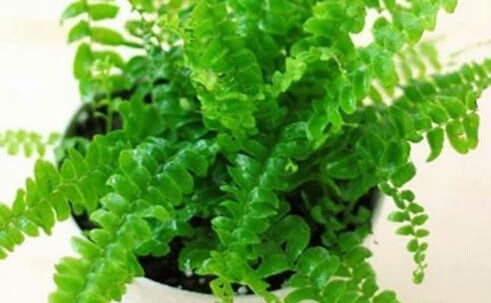
1. Boston fern
The Boston fern is a very attractive potted plant, and its fresh fronds immediately make people feel comfortable. At the same time, the Boston fern also likes warm and humid environments, making it very suitable for placing in the office. In the care process of the Boston fern, the Boston fern likes bright indirect light; in spring and summer it should be placed in a spot indoors with bright indirect light. When the sunlight is strong, it must not be placed in direct sunlight; direct sunlight turns the fronds yellow. In winter, light should be appropriately increased, otherwise the frond color easily turns yellow or the frond edges dry up; the Boston fern likes humid environments and requires relatively high soil moisture and air humidity. Because the roots of the Boston fern are adventitious roots, their ability to absorb and retain water is relatively poor, so water must be supplied in time, otherwise prolonged dryness easily causes the fronds to turn yellow and fall off. In spring and summer, the potting soil must always be kept moist, but it must not become waterlogged; it should not be too wet, and it is best to keep the potting soil in a consistently moist state. In summer, in addition to watering in time, the fronds should also be sprayed with water frequently. When the indoor temperature is low in winter, watering should be reduced, and keeping the soil slightly moist is sufficient.
Peperomia
2. Peperomia
Peperomia has bright leaf color and a cute appearance, with high ornamental value, and it likes humid environments; it can be grown in soil or in water. In the care process of Peperomia, Peperomia prefers semi-shade or indirect light. Except for winter, when it needs sufficient light, in the other seasons it needs a little shading, especially in summer when shading is even more necessary; Peperomia relatively likes water and is not tolerant of drought. During the growing period, it should be watered frequently. When the temperature is above 25°C or the air is dry, it should be watered a bit more, but waterlogging must also be prevented. When the temperature is below 25°C, water thoroughly again only when the surface of the potting soil is dry. When the temperature is below 10°C, it can tolerate several days of dryness without watering. Peperomia likes a humid growing environment. Under conditions of high humidity it grows luxuriantly and its leaf color is vivid. When the temperature is high or the air is dry, leaf spraying should be strengthened or water should be sprinkled in the growing environment to maintain relatively high air humidity, which is extremely beneficial to the plant's growth. It can also adapt to a short period of dry conditions, but not for long; generally it should be kept at around 70%.
Spider plant
3. Spider plant
When it comes to potted plants suitable for placing in the office, the spider plant is naturally indispensable! The spider plant is called a "natural air purifier," can effectively purify the air, and is good-looking and easy to grow, making it a very good choice. In the care process of the spider plant, the spider plant likes semi-shade environments. The spider plant is very sensitive to light. If it is in direct sunlight in summer and autumn, the leaves will wither and turn yellow, or even the whole plant will die, so strong direct sunlight should be avoided, and it should be placed in a cool, ventilated place, with attention paid to maintaining environmental humidity; at most it should only receive some slanted sunlight in the morning and evening; the spider plant likes water. Because its fleshy roots have well-developed water-storage tissue, it has relatively strong drought resistance, but from March to September, during the peak growing period, its water demand is relatively large, so it should be watered and misted frequently to increase humidity and keep the potting soil completely moist. During the winter dormant period, water again after the surface of the potting soil is dry to about one cm deep.
Ivy
4. Ivy
Ivy can purify indoor air and absorb harmful gases such as benzene and formaldehyde released by furniture and decoration, bringing great benefits to human health, and it is also a potted plant very suitable for placing in the office. In the care process of ivy, ivy likes light and is also relatively shade-tolerant. Grown under semi-light conditions, its internodes are shorter, its leaf shape is consistent, and its leaf color is vivid, so it is suitable for growing in a bright indoor spot. If in spring and autumn you can each choose a period to place it outdoors in a shaded spot so that it receives more sunlight in the morning and evening, then it will grow vigorously and its leaves will be green and vivid. But be careful to prevent strong direct light, otherwise it easily causes sunscald; during the growing season, watering should follow the principle of watering when dry and stopping when wet, and the potting soil must not be overly moist, otherwise it easily causes root rot and leaf drop. When the indoor temperature is low in winter, watering especially should be controlled, and keeping the potting soil slightly moist is sufficient.
Lithops
5. Lithops
Isn't Lithops very cute? Keeping it in the office is pleasing to the eye and it can also release oxygen at night; its radiation-proof effect is very good, making it very suitable for late-night overtime workers and IT professionals who do not leave their computers 24 hours a day! In the care process of Lithops, in summer Lithops should be kept in a semi-shaded spot, or given 50% shade, and the leaf color will be even more beautiful. In spring and autumn, because the temperature is not very high, it should be given direct sunlight to help it carry out photosynthesis and accumulate nutrients. In winter, keep it indoors in a place with bright light; Lithops needs more water during the growing period, but it must not be too wet, as algae easily grows and affects the normal growth of the spherical leaves. Lithops needs fertilizing once every half month, but the fertilizer solution must absolutely not stain the spherical leaves; after flowering in autumn, pause fertilizing.