Add a little something when watering hydroponic pothos, and it will easily fill its pot with glossy green leaves that climb all over the house
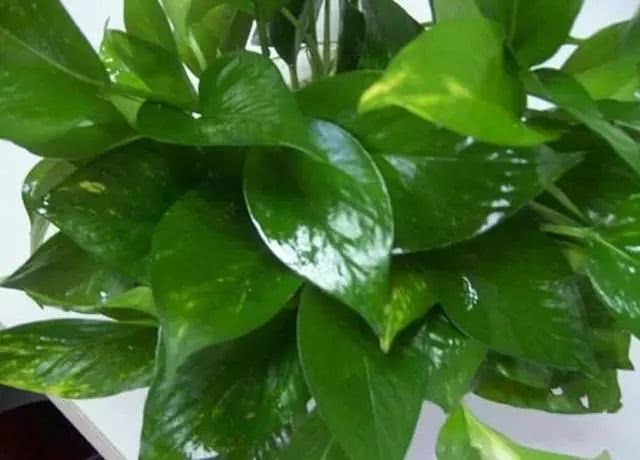
Because hydroponic flowers are relatively clean, elegant in style, and highly ornamental, they are loved by many gardening enthusiasts. Placed in the living room, bedroom, or on the balcony, with clear water and clean bottles, green leaves and long vines, they form a natural beautiful scene that cultivates the mind, purifies the soul, and is simply breathtaking
But the nutrients in water are poor compared to those in soil. The plant cannot absorb enough nutrients, so the leaves easily turn yellow and fall off, greatly affecting its appearance. So is there any way to keep it green all the time? Today we will talk about that.
The phenomenon of yellow leaves in hydroponic plants:
What causes yellow leaves? How do we solve it? Let's take a look:
1. Water level too high
Put the plant in a vase or another container, and slowly add sun-dried tap water or other nutrient water into it. Be sure not to add too much. The water level should reach one-third to two-thirds of the plant's root system. You must not keep adding water until it is all submerged. That way the plant will not grow vigorously at all and will easily get yellow leaves.
2. Light intensity too strong
Pothos and spider plants are shade-loving flowers and cannot tolerate direct strong light. If placed outdoors or on a balcony where strong light shines directly on them, their leaves will easily turn yellow. So they must be placed in the bedroom, living room, or a place with diffused or weak light. Never expose them to blazing sun - for them, that is chronic suicide!
3. Lack of fertilizer
The root system of hydroponic plants is relatively weak and delicate. Improper cultivation can easily cause malnutrition, resulting in root rot and yellow leaves. Water should not be changed too frequently, as that will make the nutrient deficiency even worse. Be sure to pay attention to replenishing nutrients in the water. The simplest method is to put three or four granules of compound fertilizer in when watering. After they fully dissolve, place them in the hydroponic container. This way the pothos will immediately sprout new leaves and grow especially vigorously. But do not add too much compound fertilizer, as it easily burns the seedlings
4. Prune and tidy up in time
If the plant grows very fast and the leaves are dense and numerous, it will speed up nutrient absorption. If the nutrients in the water happen to be insufficient, the leaves will slowly turn yellow and fall off. Vigorous growth also causes the root system to branch out more and become messy, tangled into a clump. The roots then lack air and easily rot, causing yellow leaves. So if you find rotting roots or too many fibrous roots, trim and cut them off in time, and promptly cut off yellow leaves or overly dense leaves. This is beneficial to the plant's growth and beautiful form.
5. Poor water quality
For newly bought pothos and spider plants, the water should be treated before use. If you buy them and directly use tap water to plant them, the chlorine in the tap water is very unfavorable to plant growth and can easily cause yellow leaves, and the plants will not grow vigorously either. New water should be fully sun-dried before use. Do not add too much water at one time; up to one-half of the bottle is enough. During the growing period, do not change the water too frequently. When the water is low, just slowly add more. There is no need to take the plant all the way out to change the water. That is very unfavorable to its growth.
? Many other plants can also be grown hydroponically, such as pennywort, spider plants, lucky bamboo, Monstera deliciosa, snake plant, Alocasia macrorrhizos, and so on. The cultivation and care of these flowers are mostly the same as for pothos: ventilation, shading, watering, supplying nutrients, and pruning. Once you master these techniques, growing any plant hydroponically will be no problem at all. With care, attentiveness, and concern, your pothos will soon fill its pot!
Have you learned it? Give it a like!