Keep these potted plants at home to repel mosquitoes and insects and absorb formaldehyde, and you can skip both the air purifier and the insecticide
These days the air quality in the environment we live in is getting worse and worse. Air pollution and car exhaust make the air increasingly terrible. There is nothing we can do about it outside, so at home we might as well buy a few potted plants and enjoy a natural, custom-made "little oxygen bar".
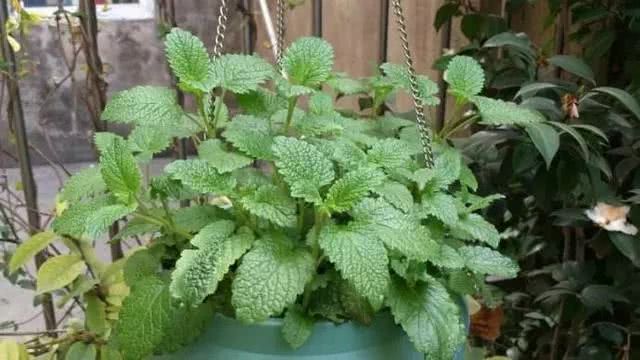
Lemon balm
Lemon balm has another name: the "toxin-absorbing plant". As the name suggests, it absorbs the "toxic elements" in the air. Because it is small in size and makes few demands on its environment, it is cherished by many plant lovers.
Insect-repelling rating: four stars
Can purify: formaldehyde, sulfur dioxide, benzene and other toxic elements. In addition, its own lemony fragrance makes it a natural air freshener.
In addition, lemon balm is also edible; it can be used to make desserts and also for tea.
Chrysanthemum
As everyone knows, chrysanthemum has medicinal value, and the chemical elements it contains can also be used to make mosquito-repelling products. So planting a few pots of chrysanthemum indoors is also a good choice!
Insect-repelling rating: four stars
Can purify: it has a good absorption effect on toxic and harmful gases such as sulfur dioxide, hydrogen fluoride, hydrogen chloride and benzene
Cultivation method: chrysanthemum can grow in full light or diffused light, so there is no need to worry about its growing environment. During the flowering period, water diligently about every 2 days; at other times, adjust watering reasonably according to how moist the potting soil is.
Medicinal effects: fresh chrysanthemum can be picked directly to refresh the mind, or made into dried chrysanthemum and drunk daily as chrysanthemum tea, with a good effect of clearing heat and detoxifying.
Sedum kamtschaticum
Sedum kamtschaticum is also called "heart-nourishing vegetable" and is widely believed to have great medicinal value, with strong therapeutic effects on health. You probably did not know that it also has insect-repelling properties.
Insect-repelling rating: four stars
Can purify: toxic gases such as formaldehyde, benzene and sulfur dioxide
Uses:
1. Squeeze out the juice directly and apply it to insect bites to help reduce swelling
2. Crush the leaves and dilute with water to make a natural insect repellent for flowers and plants.
Spider plant
The spider plant has a nice appearance, and many households use it to decorate rooms, but it is not only for beautification; it can actually also serve as an "air purifier".
Insect-repelling rating: three stars
Air purification: on average, one spider plant can absorb harmful substances from about 5 cubic cm of air per day, and can also absorb carbon monoxide and nitrogen peroxide released by refrigerators and some other appliances while they operate.
Planting method: avoid strong light; just place it indoors where the light is not strong. Spider plants can be grown in soil or in water. Spider plants also belong to the category of plants propagated by cuttings; if you are interested, you can learn more about this.
Snake plant
The snake plant is fairly elegant and simple, suitable for placing in a study, and its powerful air-purifying effect is also very impressive.
Insect-repelling rating: three stars
Can purify: one pot of snake plant can purify harmful substances from about 10 cubic cm of air
Care method: the snake plant is relatively drought-tolerant and can be watered once a week; it likes light, so place it in a bright spot
Types: snake plants come in rich varieties, so plant lovers can freely mix and match them according to their mood.
Aloe
Aloe, as everyone knows, has the effects of beautifying, detoxifying, repelling insects and relieving itching.
Insect-repelling rating: two stars
Can purify: with all-day lighting, it can achieve a strong formaldehyde-removal effect
Care method: extremely drought-tolerant; watering about once a week is enough. Some types of aloe also have medicinal and edible value.
Edible method:
Pick the leaves, remove the outer skin, cut the leaf flesh into small cubes; they can be used directly, or added to fruit and other ingredients to make desserts.
Ivy
For those who love climbing plants, ivy is a recommended choice. Hang it in the study or bedroom and it looks full of style. It also has insect-repelling properties.
Insect-repelling rating: one star
Can purify: harmful substances such as formaldehyde and benzene, and can also absorb some fine dust in the air. One pot of ivy in a bedroom is enough to meet daily needs
Care method: keep the potting soil moist year-round, and you can also use a small spray bottle to mist water around the leaves
Miniature rose
The most stylish of all is the miniature rose! It has a beautiful appearance and a pleasant fragrance, and most importantly, it also has a very good insect-repelling effect!
Can purify: the miniature rose's ability to absorb harmful substances is almost all-around.
Fresh air: it can secrete essential oils, has a bactericidal effect, and can keep indoor air fresh
Care method: place it in an environment with ample light, and add compound fertilizer, nitrogen and phosphorus and other fertilizers monthly, so it can bloom repeatedly
Wax begonia
Plant lovers who do not like fragrant flowers and plants can try wax begonia, which is guaranteed to make you feel your eyes light up.
Can purify: harmful substances such as formaldehyde, sulfur dioxide, hydrogen fluoride, nitric acid mist and phosgene, with plenty of benefits. It adsorbs smoke and dust, and can also relieve eye fatigue
Care method: it likes moisture and fears waterlogging; especially be careful that overwatering causes seedlings to die and roots to rot. Water about once every two days on average
Keep these few potted plants at home to repel mosquitoes and insects and absorb formaldehyde, and you will never need an air purifier or insecticide again. Is that not great?
Did you know? Give it a like.