Gardenia and Jasmine Turning Yellow and Dropping Buds? Here's How to Turn Alkaline Soil Acidic
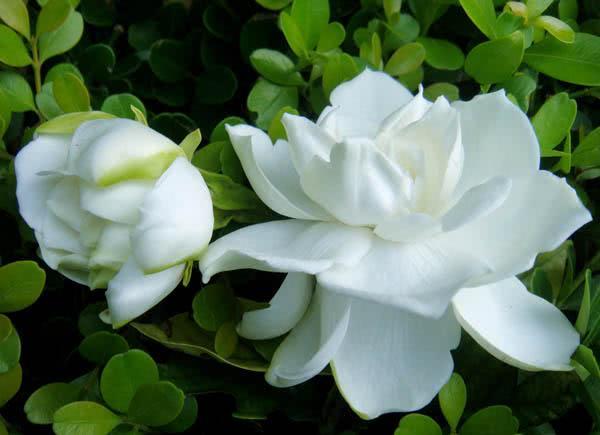
Soil in the north is mostly alkaline, and when used to grow jasmine and gardenia, yellow leaves and dropped buds are a common occurrence. Inexperienced gardeners assume it is because they are not watering enough, and the more they water, the worse it gets. Today Xiao Cui teaches you one trick - with this method, the soil's "alkalinity" is cleverly turned to "acidity", and gardenia and jasmine will never again turn yellow or drop buds
Method One for Cleverly Turning Soil from "Alkaline" to "Acidic"
1. Prepare materials: ordinary soil, dead leaves (pine needles, willow leaves or poplar leaves), a flower pot, ferrous sulfate
2. Method: Spread a layer of soil at the bottom of the pot, then spread a flat layer of fallen leaves, then add soil, then add fallen leaves, repeating this layer by layer 3 to 4 times. Finally water thoroughly, add some ferrous sulfate, press down firmly and seal well with an airtight plastic bag. After that, add some ferrous sulfate about once a month, and reseal the pot after each addition. Generally after 3 to 5 months the soil becomes acidic.
Any acid-loving flower can be grown in this soil, and the more you grow it, the more vigorous it becomes.
Method Two for Cleverly Turning Soil from "Alkaline" to "Acidic"
Household vinegar can also change the pH of soil. Mix vinegar and water at a ratio of 1:50, then water acid-loving flowers with it directly, once a month. This method can change the alkalinity of the soil fairly quickly.
Method Three for Cleverly Turning Soil from "Alkaline" to "Acidic"
Many households use rice-washing water to grow flowers, but watering flowers directly with rice-washing water is actually a mistake. Put the rice-washing water into a sealed container and place it on a balcony at room temperature with light for about 2 weeks; this process is to ferment the rice-washing water. After two weeks, water the flowers with the fermented rice-washing water and water at a ratio of 1:20, which can also slowly turn alkaline soil acidic.
Whether the soil is suitable is a key factor in growing flowers well. Besides soil, what else should be paid attention to when growing gardenia and jasmine?
Key Care Points for Gardenia
Temperature: Gardenia does not like winter; as soon as the temperature drops, it begins to go dormant. In spring and autumn it can be placed outdoors in the sun. Before flowering and throughout the growing period, apply light fertilizer frequently, fertilizing once every half month. If yellow leaves are found, water with 0.1% ferrous sulfate in water and fertilizer. In late autumn, move it indoors to a sunny spot to overwinter.
Light: Gardenia likes light but can also tolerate shade. In shade the leaves are glossy green, but flowering is somewhat poorer. In summer it should not be exposed to strong direct sunlight, otherwise the leaves turn yellow. In spring and autumn the light is not strong, so it can be placed outdoors to receive full sunlight.
Watering: Make sure to water once a month; the timing is not fixed. Depending on the home environment, when the environment is dry and the potting soil is fairly dry, it can be watered. Remember not to wait until the soil is dried and caked before watering, as the plant is prone to dying and is hard to revive.
Key Care Points for Jasmine
1. Watering: Jasmine has shallow roots and well-developed fibrous roots, with dense branches and leaves. In summer the temperature is high and evaporation is great, and since it itself is not drought-tolerant, the soil must not be too dry, but it should not be muddy either. The principle of watering is alternating dry and wet, watering thoroughly when dry.
2. Light: Jasmine loves sunlight extremely and must never be shaded too much. As long as water is guaranteed, full sun is best. With ample sunlight the branches and leaves are lush and there are many flowers; with low temperatures and shading, the leaves are thin, the flowers are sparse and the branches are slender.
3. Fertilizing: Jasmine has a long flowering period and needs more fertilizer, so the potting soil must be rich in fertility. During the vigorous growth period, fertilize more, fertilizing twice a month.