Add a little "immortal water" to lucky bamboo: white roots in 7 days, no yellow leaves, and a full pot in one month
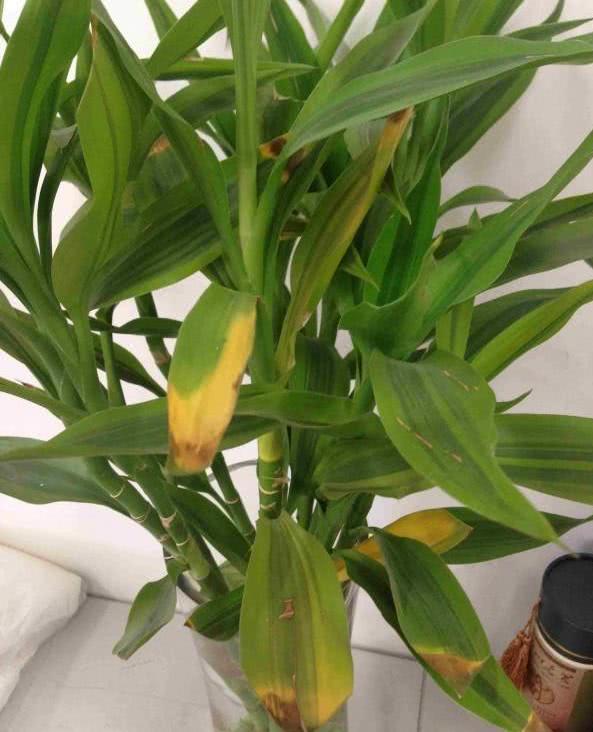
A flower-growing friend left a message in the backend: I recently bought a few lucky bamboo stalks and found the leaf tips turning yellow and withering. Where might the problem be? Please advise!
"Immortal water" making method
Making method: Boil soybeans until cooked, then let them cool, scoop them out and crush them. Do not discard the water used to boil the soybeans. Mix it with the crushed soybeans, put the mixture into a plastic bottle, close the lid tightly, and place it in a cool place to ferment. It will be ready in about 15 days.
How to use: When using, take the clear liquid from the upper layer and add water to the lucky bamboo at a ratio of 1:10 with water, once a week. After one month, the leaves turn green and new leaves sprout.
Soybeans can also be made into fertilizer for clivia. Soybeans are a very good nitrogen fertilizer.
Making method: Soak the soybeans in warm water in a basin for about 2-3 hours, until the skins wrinkle. Then put them into a pot, add water, bring to a boil over high heat, then turn to low heat and simmer for 0 minutes, until the soybeans can be crushed with your fingers.
How to use: Evenly dig 3-5 small holes 5 cm deep near the edge of the flowerpot. Put a few soybeans in each hole (2-3 beans is best), then cover with soil and water thoroughly. That is all. As we water again and again, the nitrogen fertilizer produced by the fermented soybeans will be slowly absorbed by the clivia, with no odor and a long-lasting effect.
Key care points for lucky bamboo
1. Lucky bamboo likes warmth and fears waterlogging. So keeping the bamboo immersed in a water-filled dish for a long time is wrong and can easily cause root rot. Rotting fibrous roots cause the leaves to turn pale yellow, then dark yellow. Although lucky bamboo likes water, it cannot be soaked in stagnant water; flowing water is better. In summer, water about once every 1-2 days on average, and usually spray water on the leaves.
In summer, evaporation is greater, so pay attention to adding and changing water to keep the water quality free from pollution. In dry autumn, prevent it from being blown over by wind, spray the leaves frequently, and let it receive night dew in the evening. Spray the bamboo leaves with water several times a day until the water roots grow out from the bottom of the planting basket and extend into the water. Continue lowering the water level to encourage the roots to keep growing into the water until they reach the length you are satisfied with. Before the roots emerge from the water, pay attention to avoiding light, keeping ventilation, and maintaining moisture.
2. Fertilize bamboo with light fertilizer and frequent applications. In spring and summer, you can apply "Xin Gao Zhi Mo" + water with 1% compound fertilizer. Too much fertilizer can easily cause the leaves to turn yellow.
3. Bamboo likes acidic and slightly acidic water quality. Because the soil in most northern areas contains more salt and alkali, after being cultivated for a period of time, bamboo will gradually lose green and turn yellow due to a lack of soluble iron that flowers can absorb. You can water once a month with 0.2% ferrous sulfate.
4. In high-temperature seasons, move the bamboo to a cool place and avoid exposure to the scorching sun, as it will scorch the leaves. In winter, maintain a certain humidity, prune appropriately, and place it in a warm, sunny indoor spot. It can overwinter safely as long as the temperature is not lower than 5°C. In high-temperature or low-temperature seasons, spray "Xin Gao Zhi Mo" suspension to resist sun and cold. In addition, pay attention to the harm caused by aphids, scale insects, and so on.