5 Tips for Growing Beautiful and Charming Bonsai at Home
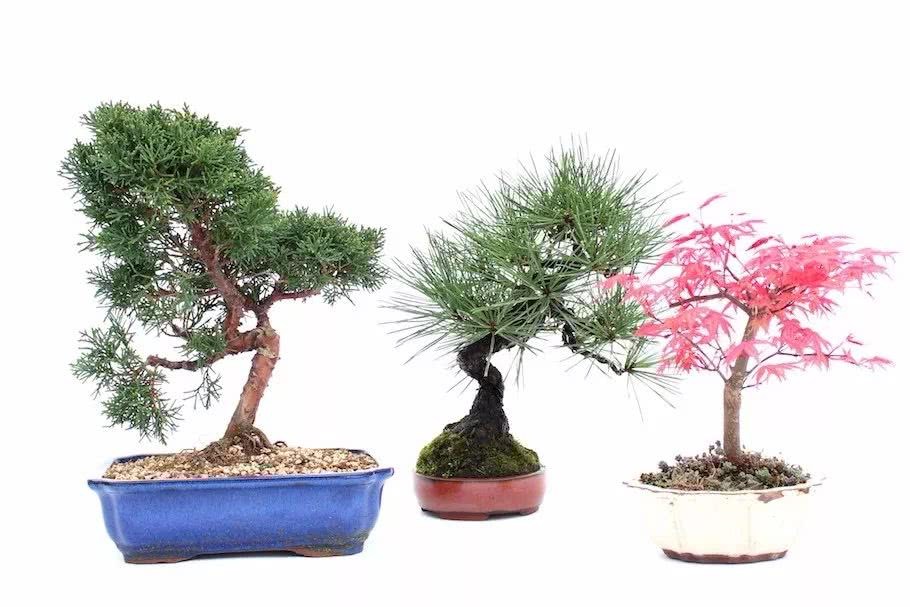
Bonsai are plants condensed into a flower pot, grown in very small shallow pots or through dwarfing cultivation of plants and flowers. Bonsai is even called an art form, and this art originated in our country, spreading continuously through Japan and Germany, and now it has become popular all over the world.
Indoor bonsai and outdoor bonsai are cared for differently. Outdoor bonsai are usually grown in gardens or courtyards, and their plants are relatively larger. They can be brought indoors for a few days for viewing, but afterward they still need to be moved back to the courtyard for care, otherwise these bonsai will become fragile and eventually wither.
Indoor bonsai, on the other hand, can be kept indoors all the time and are usually relatively small plants. Through continuous dwarfing, they look like mini versions of plants. Common examples of these plants include pomegranate, banyan, Fukien tea (Carmona retusa), and jade plant.
The bonsai shown in the picture above are all grown through meticulous pruning. Keeping them in a small pot limits their growth. Shaping an ordinary plant into the form you want requires a great deal of patience, and at the same time it also gives you a greater sense of accomplishment. This is more challenging than caring for potted plants.
The two most common misunderstandings in caring for bonsai plants include: accidentally buying outdoor bonsai plants and trying to keep them indoors for a long time; the second is not giving bonsai plants good care. Bonsai plants are not cheap, and caring for them requires a great deal of patience, and maintaining their appearance takes a lot of time.
Before buying a bonsai plant, carefully observe its condition, look at the plant's growth status, and also look at the bonsai plant's potential for shaping. If you buy a very perfect bonsai tree right from the start, it may require a very high price to purchase.
Tips for caring for bonsai plants:
1. Plenty of sunlight
Most indoor bonsai need bright light, and only a small number cannot tolerate direct sunlight. When light increases, watering frequency should also increase slightly; this is all relative.
2. Proper watering
It is best to use rainwater for watering. Regularly replenishing moisture for bonsai plants is crucial. When sunlight is relatively abundant, you may even need to replenish moisture every day, keeping the root and stem area evenly moist, not just keeping the soil surface moist. The plant needs sufficient moisture to survive.
When a bonsai plant begins to grow a large number of leaves, it means it is preparing to sprout, and moisture needs to be replenished in time. Because the container is relatively small, the temperature is relatively high, and the humidity is relatively low, at this time you need to add moisture to the bonsai to promote better growth.
However, when watering bonsai plants, also avoid excessive dampness or water accumulation. Soil that is too wet easily causes root rot. Plants need moisture to survive, but remember that the soil must not be allowed to accumulate water.
3. Humidity
It is also very necessary to regularly mist with water every day. Increasing indoor air humidity can reduce the rate of transpiration, which can also reduce watering frequency. If humidity is too low, it will affect growth. Plants should not be placed next to air conditioners or heaters, otherwise they will dry out very quickly.
4. Proper fertilizer
Regularly replenishing fertilizer for bonsai is important. They have relatively high nutrient needs because they grow in a small space, and the soil's fertility is very limited, so fertilizer must be replenished regularly. Only after it turns cold in autumn should fertilization be reduced. Keeping them warm in winter allows you to occasionally give a small amount of dilute fertilizer.
5. Suitable temperature
Caring for bonsai plants requires maintaining a warm environment year-round. When kept indoors, there is no need to specially increase the temperature; just place it in a spot with plenty of sunlight or direct light. Placing it on a south-facing windowsill is most suitable. In the coldest months of the year, as long as the temperature is kept above zero, there is basically no big problem. Avoid temperatures that are too low.
Bonsai plants need to be pruned once every so often. Regular pruning maintains the plant's shape and continuously shapes the bonsai's form. Add new compost soil. When repotting, the roots need to be removed, generally about 1/4 of the total root system. Add new potting soil, choose fresh compost soil, and you can mix in some bonsai compost. This can be given once every two or three years.
Bonsai plants grow relatively slowly, and the care process requires great patience. Wanting a bonsai to suddenly grow a beautiful shape is also very difficult.
Indoor bonsai generally rarely bloom. Most that bloom more are outdoor bonsai, such as the common azalea bonsai and bougainvillea bonsai.
Yellowing branches and leaves on bonsai is the most common problem for beginners. It is generally caused by overwatering, with water accumulating at the bottom of the container.
Another cause is not replenishing moisture in time. Bonsai containers are relatively shallow, and the roots easily become short of water. The key is to keep the potting soil slightly moist. After the soil has completely dried out for a few hours, the leaves easily turn yellow and wither.
Bonsai plants should also be protected from freezing, otherwise the leaves and branches are easily frostbitten. Beginners caring for bonsai must remember to avoid moving them frequently. Most bonsai plants do not like rapid environmental changes. Temperature fluctuations or humidity changes can easily cause yellow leaves.
A small amount of leaf yellowing and leaf drop is normal, but large-scale leaf drop and withering should be treated with caution. Be sure to pay attention to the care tips mentioned above.