6 Common Indoor Pests on Potted Plants, Eradicated Completely Without Spraying Pesticides
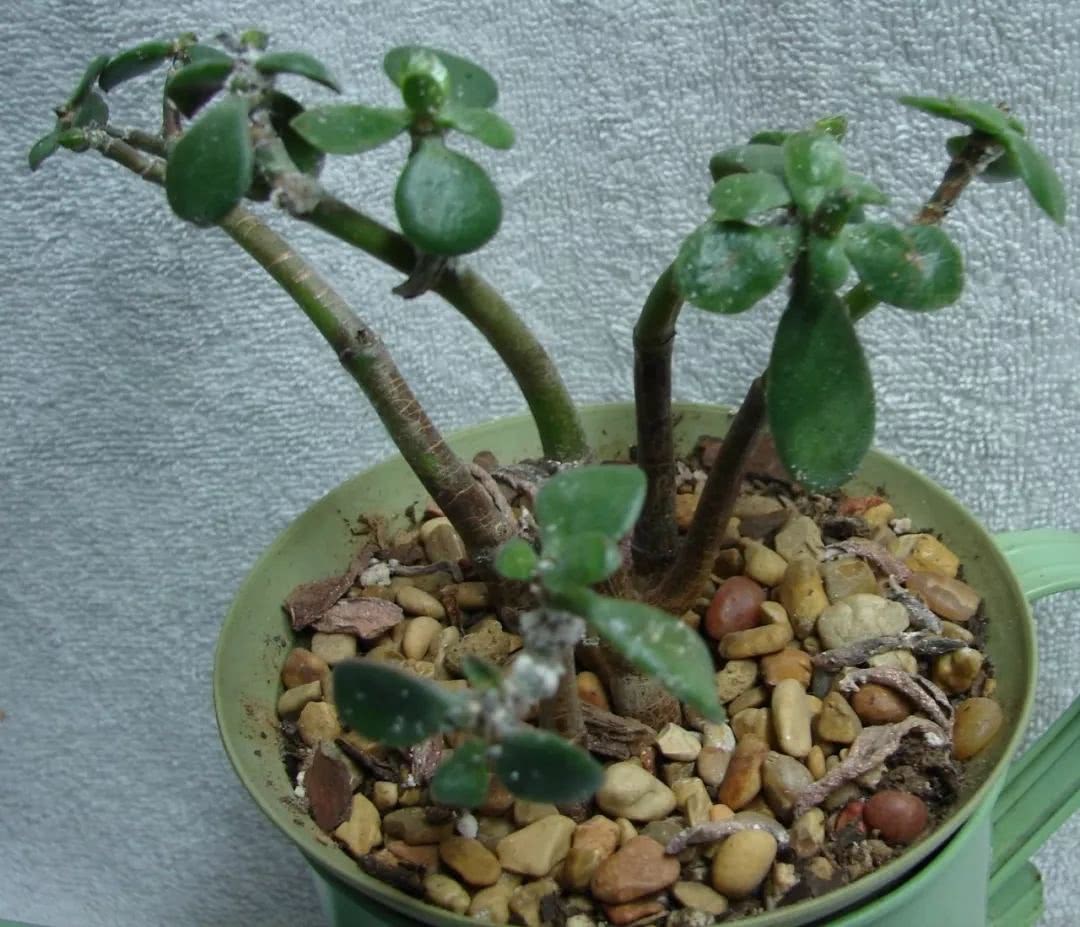
It is not only outdoor flowers that easily attract pests; indoor potted plants can also inevitably become infected with pests and diseases. Below, let's take a look at the 6 most common pests. If they are not controlled in time, they will reproduce extremely quickly. Take a look at how to get rid of pests without using pesticides.
If it is possible to completely eradicate pests on indoor potted plants without using pesticides, I recommend using healthy and harmless control methods. In fact, if pest control is not carried out in the early stages of infestation, once the pests keep multiplying, it becomes very difficult to eliminate them with organic methods.
1. Aphids
Aphids usually appear on the tender buds and young leaves of branches and leaves, and also suck sap on flowers. In severe cases, they can be seen on the entire plant.
When aphids first break out, they usually hide on the undersides of leaves. Most aphids are green, while some are black or gray. Aphids are small in size but reproduce extremely quickly, and they are generally only noticed when gathered in large groups. They will suck the plant's sap dry and also secrete honeydew, causing the plant to become infected with viral and fungal diseases. The leaves will gradually become discolored and distorted.
Controlling them is also relatively simple. At the beginning, you can directly wash them off with a strong stream of water, without needing to rely on other chemicals.
You can also spray with mild soapy water. If there are only a few, you can simply crush them with your fingers to get rid of them. If you find a larger infestation, you can spray with liquid soap diluted in water. The amount must not be too much; if shaking produces bubbles, that proves the concentration is sufficient.
After spraying the liquid soap solution, wait five minutes, then spray once more with clean water to avoid the solution remaining on the leaves.
If the infestation is especially severe, then you need to spray pesticide. Most permethrin-based insecticides on the market are effective against aphids. They are common low-toxicity indoor insecticides with relatively little harm.
2. Mealybugs
Mealybugs are relatively harmful to plants. They directly suck the plant's sap, causing significant damage to the plant. They usually gather together and look like a ball of cotton. These are actually mealybugs.
If not dealt with in time, the plant's sap will be sucked dry, causing the leaves to turn yellow and fall off. This pest is very common on the branches and leaves of various plants. Plants infected with mealybugs look as if they are dehydrated, and the leaves will quickly and gradually drop. At this point, increasing watering will not help the plant and may instead have the opposite effect.
After infection with mealybugs, the branches and leaves feel sticky to the touch. These are the mealybugs' secretions. If it is just the beginning of an outbreak, you can directly poke them to death one by one with a toothpick. Of course, you can also directly wash them off with a strong stream of water.
If the infection is relatively severe, you need to spray pesticide for timely control. You can spray with abamectin emulsifiable concentrate or profenofos emulsifiable concentrate, but this should be done in an outdoor ventilated environment.
3. Red Spider Mites
Indoor plants are especially prone to red spider mite infection. Their damage to plants is the worst and they are also very difficult to eliminate, because when red spider mites first break out, they are basically impossible to detect. They also belong to the mites and cannot be seen clearly with the naked eye. By the time you discover them, they have already multiplied into a large mass.
After reaching adulthood, red spider mites will spin small webs on the leaves, and the leaves will turn yellowish, as shown in the picture above. These red spider mites do not feed on insects; instead, they suck the plant's sap. Spinning webs is only to protect themselves. After an outbreak, the entire plant will be damaged.
Leaves infected with red spider mites will develop spots, and many tiny brown spots will also appear, which are easily mistaken for normal yellowing of the leaves. These spots are actually formed when the red spider mites' mouthparts pierce into the leaf cells.
Red spider mites greatly dislike water and humid environments. It takes a period of time to completely eliminate the pests. Once a week, place the plant under a shower and rinse it with warm water. This can gradually reduce the number of red spider mites. At the care location, be sure to spray mist water daily to increase humidity. With a certain level of air humidity, over time the red spider mites will be completely eliminated.
You can also specifically buy some natural enemies of mites, "predatory mites," such as Phytoseiulus persimilis, Amblyseius cucumeris, and Anystis baccarum. They are all beneficial insects that eat red spider mites, specifically feeding on pests, and can also devour aphids and scale insects. However, be careful to keep the temperature above 18°C.
Of course, some people, in order to save effort, will directly spray pesticide, such as the common abamectin, Jinmanzhi, and Aikaman.
4. Scale Insects
Scale insects are a very troublesome pest and very difficult to eradicate, because scale insects have a very hard brown shell. They also hide by lying on the positions of the plant's dead leaves. They continuously suck the plant's sap, after which the plant's leaves will wilt and gradually wither and drop.
Scale insects also leave sticky honeydew on the branches and leaves, which will gradually turn black like mold and can easily develop into gray mold disease.
Personally, I suggest directly using alcohol to eliminate them. Dip a cotton swab in alcohol and directly apply it to the bodies of the pests. Every part of the branches and leaves must be coated to ensure no pests are hidden. In this way, they can be completely eradicated.
A small number of scale insects can be directly pinched to death. You can catch or buy some ladybugs and let them help catch and eat the scale insects, while also preventing ants from killing the ladybugs.
5. Fungus Gnats
Fungus gnats are also a common indoor pest, but they cause relatively little harm to plants. However, they reproduce extremely quickly, and not only do they look very frightening, they also fly around everywhere.
The method to prevent fungus gnats is very simple. They lay eggs in the soil, and the eggs can hatch once a week, reproducing especially quickly. They are very common in places where the soil is moist or there is standing water. As long as you promptly pour off standing water and let the soil dry, it is still quite easy to eliminate fungus gnats.
First of all, keep the soil dry. Do not water before the potting soil has completely dried out. You can cover the soil surface with dry sand or diatomaceous earth. This can prevent fungus gnat eggs from hatching, and they will also be unable to lay eggs in the soil.
Of course, you can also directly spray pyrethroid insecticides, but they can only eliminate the adult fungus gnats and have little effect on the larvae.
6. Snails and Slugs
In warm weather and humid environments, snails and slugs are easily seen. They will eat the plant's leaves. Slugs are the common "snot worms." They like warm and humid environments.
If snails and slugs are not removed in time, they will quickly eat all the plant's leaves. They usually work at night, and after seeing light in the morning, they will hide. However, they will leave a slimy trail around them. These are the traces of where they have crawled.
You can directly scatter a ring of crushed eggshell fragments around the plant to prevent them from approaching. You can also catch them after dusk. You can use a short small container filled with some beer to trap and kill slugs and snails.