Bird of paradise won't bloom after years in the living room? Here's why
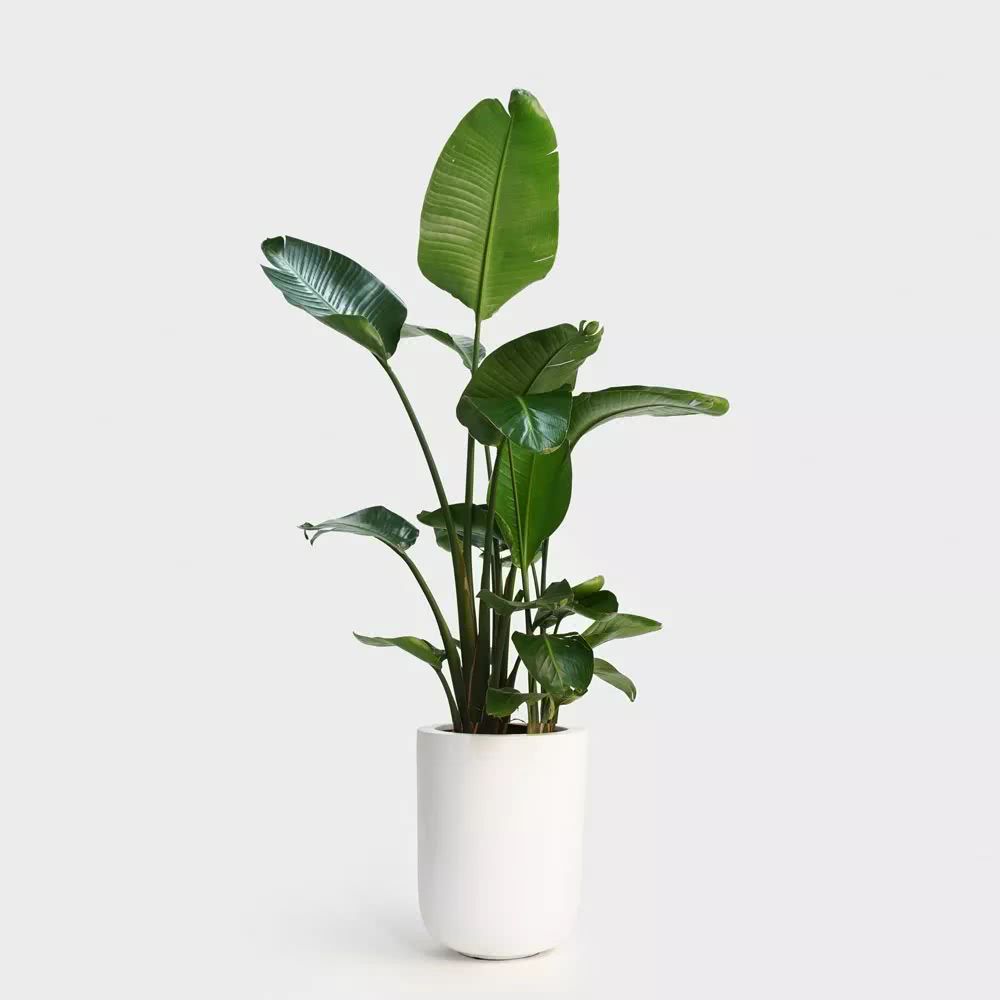
The bird of paradise (Strelitzia) looks truly spectacular. It is a tropical ornamental plant whose flowers resemble the head of a crane. Grown in the living room, it looks very elegant, it can also purify the air, and it lends a distinctly tropical atmosphere.
The flowers of the bird of paradise must be pollinated by tropical sunbirds. The whole shape of its flower looks like a vivid crane. Ordinary insects cannot pollinate it; it needs small tropical birds to do the job. There are also many varieties of bird of paradise, with bright flower colors, and it is a tropical flowering plant that likes a warm, humid environment all year round.
The environment needed to care for a bird of paradise:
First, plenty of light
If you want the bird of paradise to grow quickly and produce bright flowers, you must give it plenty of light every day. It is best placed on a south- or east-facing balcony, and avoid keeping it in a long-term dark spot. At the very least, keep the light bright. With insufficient light, its growth becomes very slow, and it will not produce flowers.
Second, supplemental water
The water a bird of paradise needs depends on where it is kept. If it is grown in a warm, sunny spot, water it regularly to keep the soil moist. If it is kept in a shady place, wait until the potting soil has dried out completely before watering again.
The frequency of watering also depends on the soil and the pot. Be sure to choose a container with large drainage holes and good depth, and the soil must have good drainage.
Third, care humidity
The bird of paradise is very afraid of dry air and needs regular misting to maintain high air humidity. In addition, when kept indoors, be sure to clean the leaves regularly to avoid too much dust collecting on them.
Fourth, regular fertilizing
The bird of paradise is a flowering plant with fairly low fertilizer needs. During the growing season, fertilize once a month. It is a slow-growing plant with fairly low fertilizer needs; if the soil is quite fertile, you can fertilize once every two months. The concentration must not be too high when fertilizing, and once the weather turns cool in autumn, stop fertilizing.
Fifth, care temperature
The bird of paradise likes a warm, humid environment all year round. The minimum care temperature must stay above 7 degrees, and a temperature between 18 and 25 degrees is most suitable. Only a year-round warm environment can promote growth. In winter, the ideal care temperature is 8 to 15 degrees; in such an environment the bird of paradise can enter a proper dormancy.
Sixth, repotting and other notes
In the first two or three years after planting, the bird of paradise can be repotted once a year. After spring warms up, you can repot it directly with the soil ball, and it needs to be moved into a pot one size larger each year.
Once the bird of paradise reaches 3 or 4 years of age, it cannot be repotted frequently, otherwise flowering will be affected.
The bird of paradise is generally propagated from seed, but only naturally grown bird of paradise plants are easily pollinated, and collecting its seeds is even harder. You can simply buy some seeds and sow them to propagate. You can slightly cut the seed coat to increase the germination rate of the seeds.
To encourage a bird of paradise to bloom, first make sure the plant is fully mature; it must grow to 4 to 5 years old before it can develop flowers. The roots of a pot-grown bird of paradise are restricted in their growth, so be sure to choose a fairly large container for cultivation, which helps promote flowering.