Snake Plant Not Growing Well? Learn This One Trick to Easily Fill the Pot
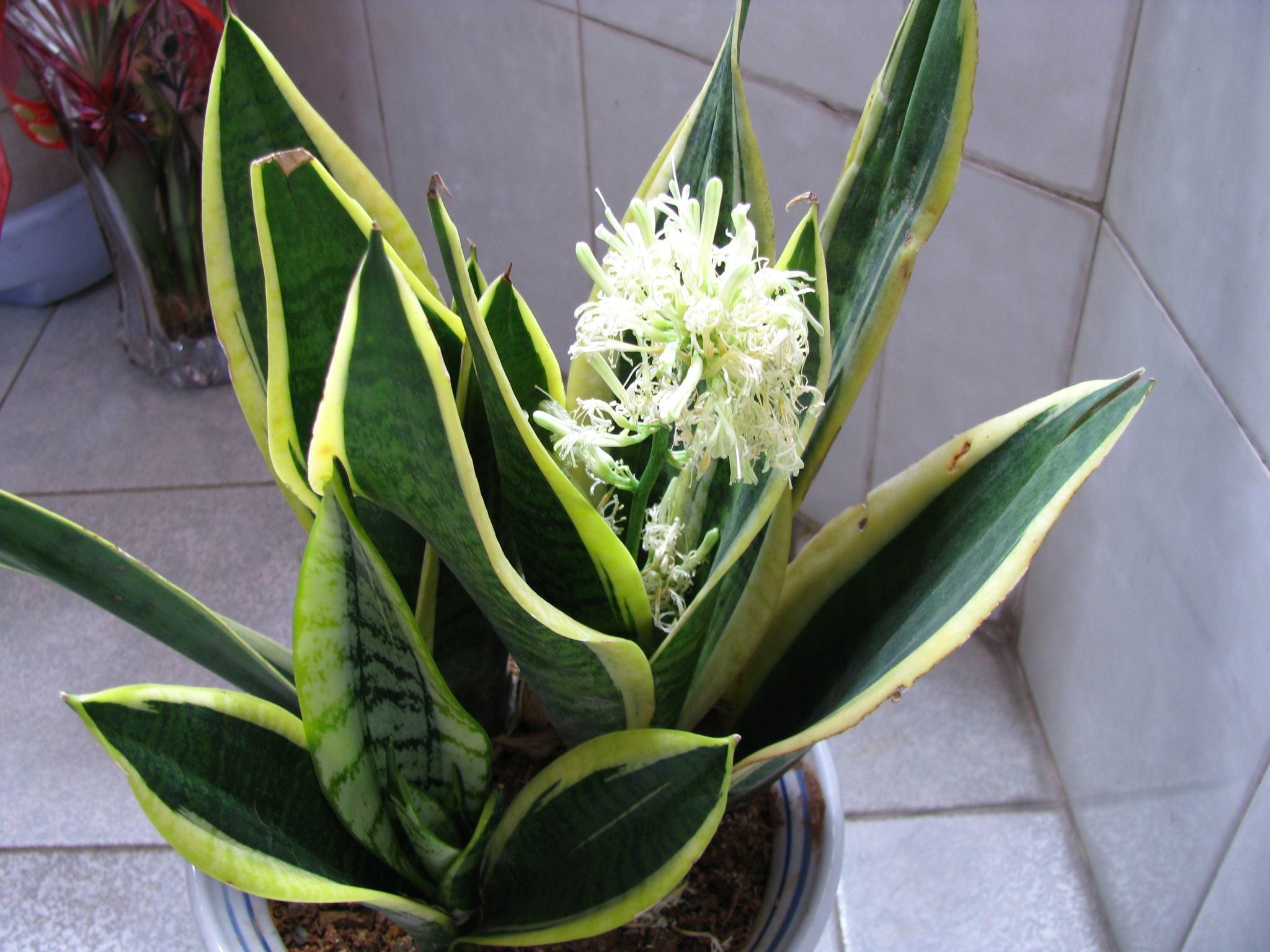
Many people keep a snake plant (Sansevieria) at home. It is a flower that many people love to grow, and relatively speaking, it is also quite easy to care for. But sometimes when we grow snake plants, we find that they wither as we care for them. Understanding these problems is actually very simple; the key is to master the techniques of protecting the snake plant from cold, using less water, and managing temperature. If you want a pot bursting with growth, you still need to pay attention to the following aspects.
When growing snake plants indoors, the most important thing is to remember its characteristics: it is not tolerant of cold, not tolerant of waterlogging, but is heat-tolerant, drought-tolerant, and shade-tolerant. This way, during normal care, by properly controlling the amount of watering and keeping the temperature from fluctuating too much, it is very easy to keep it alive.
1. Protect the snake plant from cold during care
The snake plant is a flower that greatly fears the cold. When caring for it, pay attention to its surrounding environment and do not let it grow in a relatively cold place. Especially after winter arrives, it should be placed indoors for care. And when spring arrives, do not be in too much of a hurry to move it outdoors, to prevent the relatively large temperature changes in spring from damaging the snake plant with cold. The temperature for its growth must not be lower than 5°C, but when the temperature is around 10°C, it is best to move it indoors for care.
2. Provide appropriate light and soil for the snake plant
Although the snake plant is a relatively shade-tolerant plant, you should still try to give it appropriate light during care. Being in a dark place for a long time will affect the growth of the snake plant. If your snake plant seems to have not changed for several months, then it may be lacking light.
The snake plant likes loose, breathable soil with good drainage. Therefore, when growing snake plants, you should provide the soil it likes. You can choose leaf mold or sandy soil, and you can also appropriately add a little decomposed organic fertilizer as fertilizer. If you do not change the potting soil for the snake plant for a long time, it will also affect its growth. Therefore, if the snake plant is doing well in all other respects but its growth is poor, you should consider whether the soil is the reason.
3. Give the snake plant proper water control
The snake plant has relatively low requirements for the amount of watering. Therefore, when watering the snake plant, you should control the watering and not water too much. In winter, watering should be reduced even more, and you should wait until the potting soil is completely dry before watering.
4. Propagation of the snake plant
When the snake plant has grown to a certain point, it should be propagated by cuttings as appropriate. You can cut the leaves into segments, then plant them in loose, breathable leaf mold. When planting, start from one side of the pot and plant them evenly in the pot. After one year, you will harvest a pot full of snake plants.